
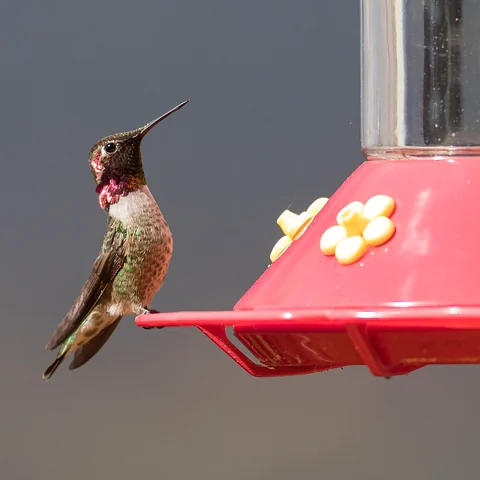
HUMMINGBIRDS
How to Clean a Hummingbird Feeder, Step by Step
A practical cleaning workflow centered on accessible parts, fresh nectar, and repeatable habits.

A better backyard grows from the small routines you can keep.Explore 18 guides →
A practical cleaning workflow centered on accessible parts, fresh nectar, and repeatable habits.
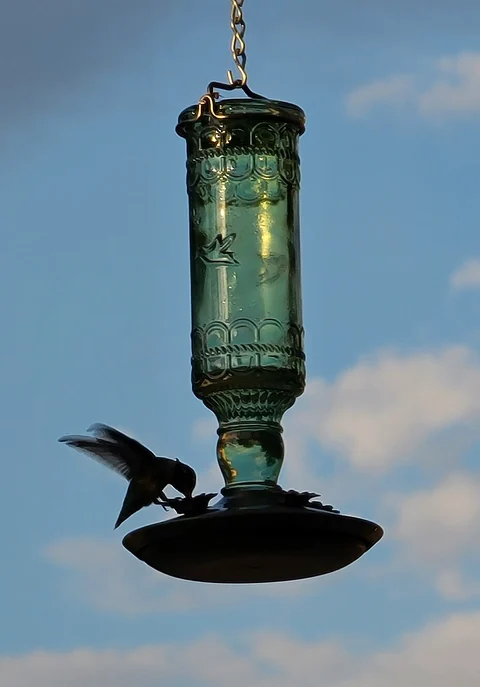
A decision checklist for checking and replacing hummingbird nectar as conditions change.
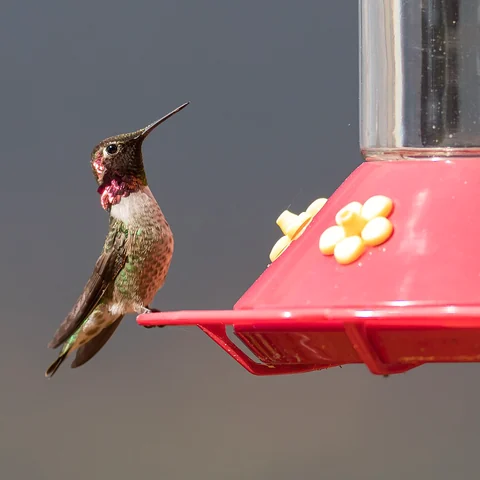
Check leaks, suspension, and ant moats before reaching for sticky deterrents.
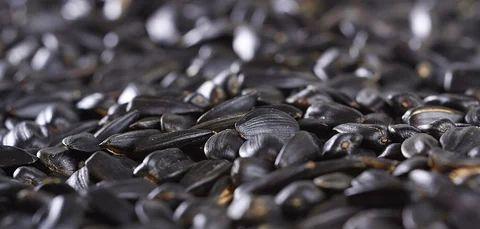
Choose between in-shell and hulled sunflower with a practical waste and storage checklist.
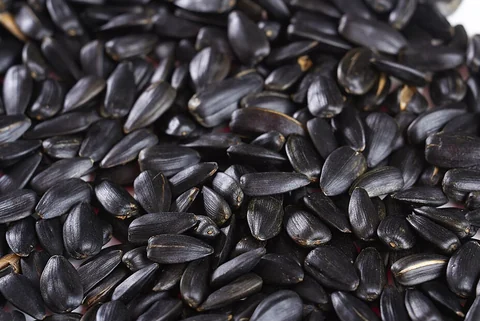
Organize seed, labels, and cleaning so problems are easier to notice before food reaches the feeder.
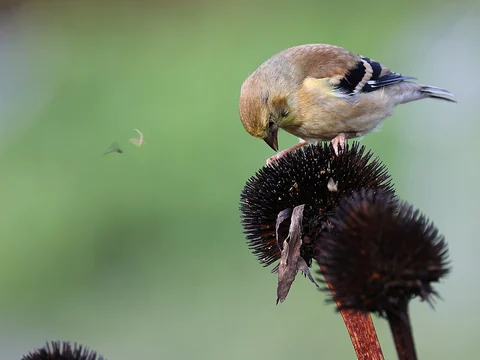
A practical starting point for selecting finch food and checking port compatibility.
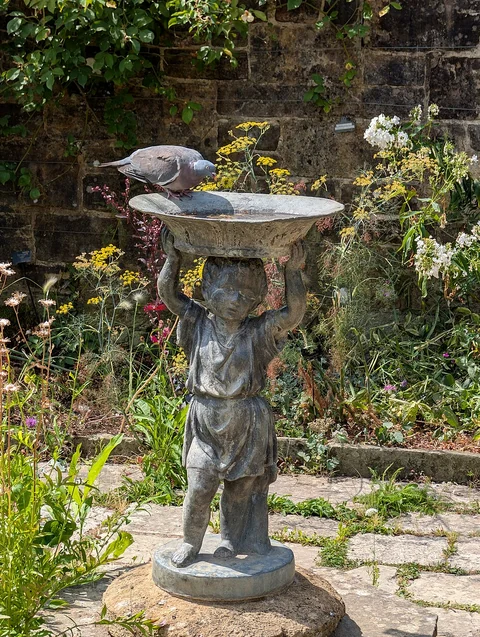
Plan a shallow, accessible bathing area and check the footing before choosing a basin.
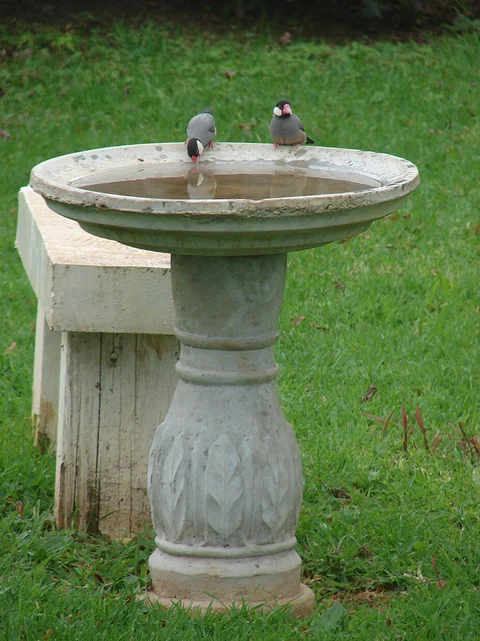
A repeatable workflow for inspecting, emptying, and cleaning a backyard birdbath.
Build a manageable winter feeding routine for snow, rain, thaw, freezing water, and changing backyard visitors.
Compare suet forms and holders, prevent recurring maintenance problems, and respond to softening, spoilage, or unused food.
Choose regional native plants by light, soil, moisture, mature size, seasonal resources, and the care your yard can support.
Choose between a removable bowl and a safe heated bath, keep water shallow and clean, and manage ice, predators, and power in winter.
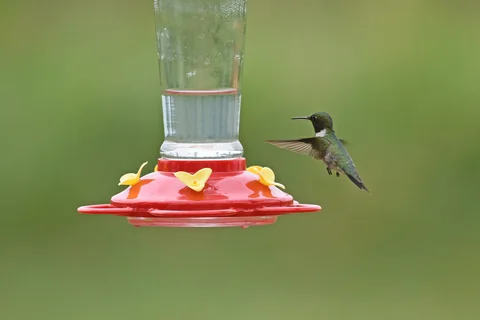
Use local migration records instead of a national calendar, maintain fresh nectar, and understand why fall feeders do not delay migration.
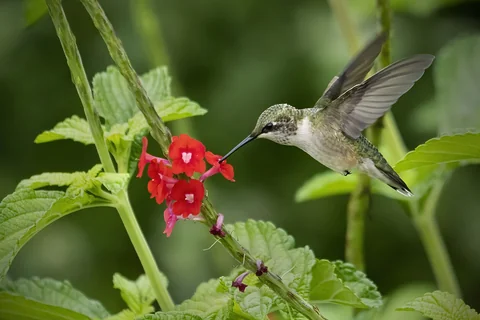
Make hummingbird nectar with the right sugar-to-water ratio, accurate small-batch measurements, safe storage, and a practical feeder-care routine.
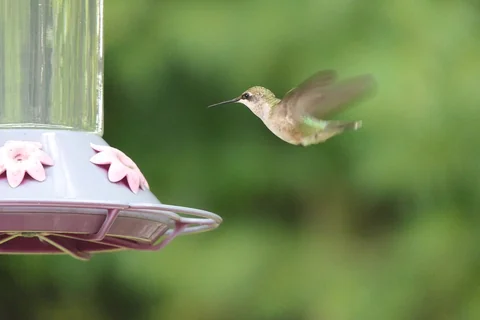
Find exposed nectar, fix leaks, compare compatible guards and feeder designs, and reduce bee or wasp problems without oily coatings or insecticides.
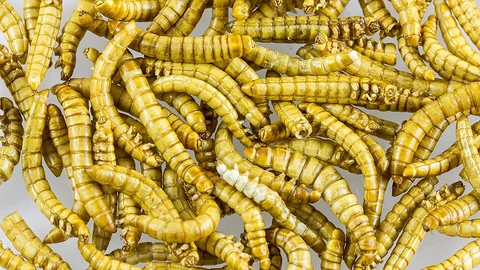
Choose live or dried mealworms for backyard birds, plan small servings, compare feeder options, and keep food, storage containers, and feeding dishes clean.
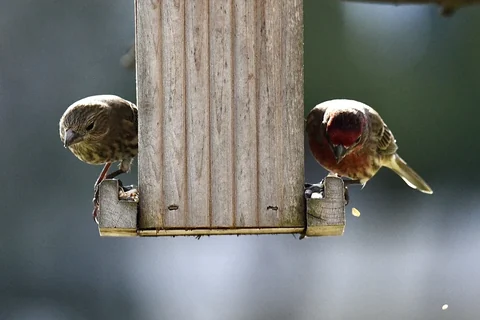
Plan summer bird feeding around heat, humidity, local wildlife guidance, fresh nectar, dry seed, clean water, and the care you can provide each day.
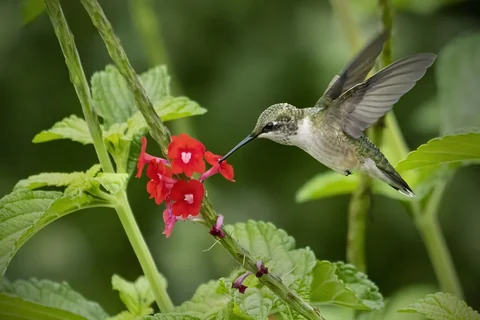
Choose hummingbird flowers for your region, sun, soil, and space. Compare bloom roles, plan a sequence of nectar plants, and care for beds and containers.