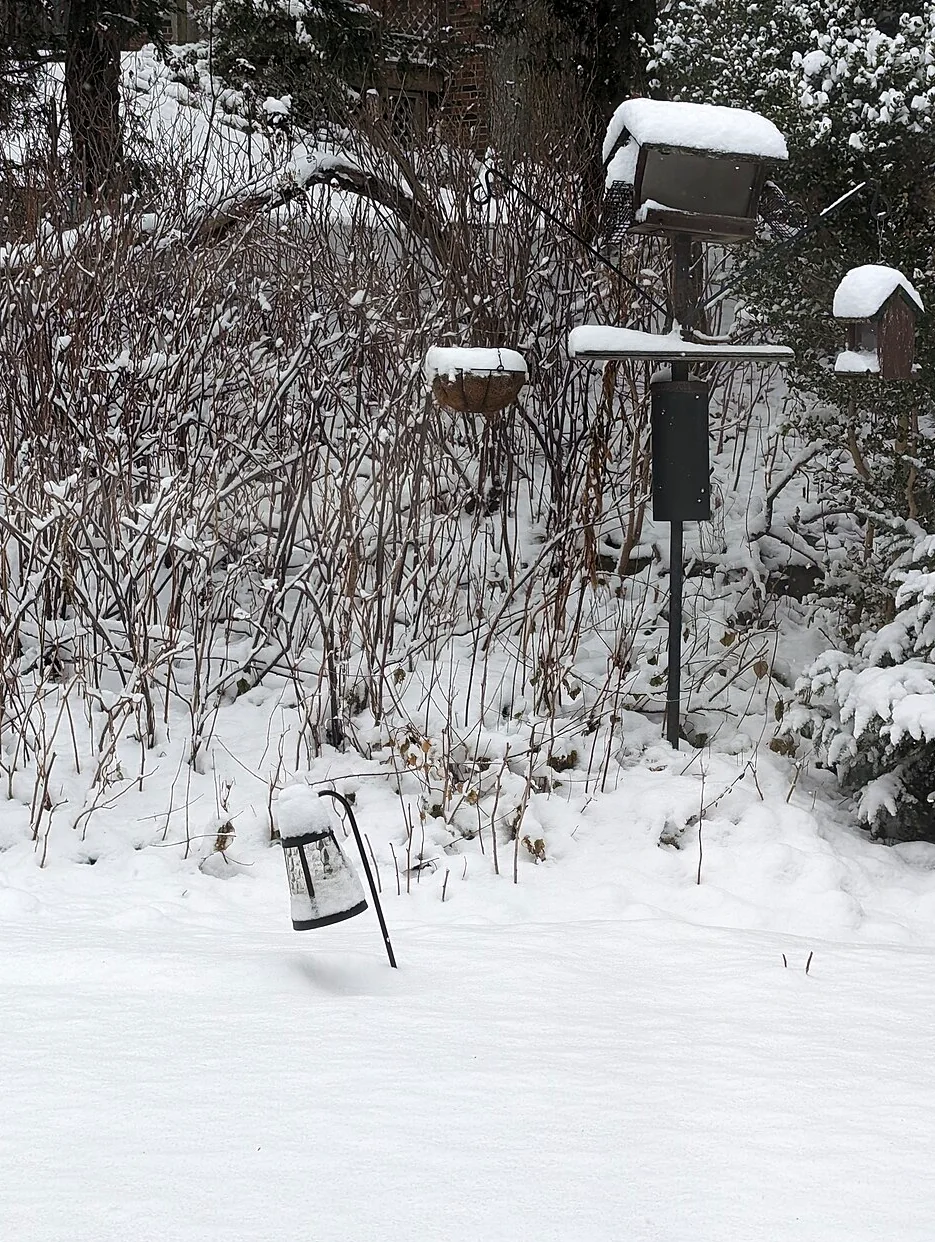
Photo: Sikander Iqbal · Bird feeder and lamp covered in snow - 20230113.jpg · CC BY-SA 4.0. Cropped, gently adjusted, and resized for this guide.
The short answer
Offer suitable food in modest fills you can keep dry and clean. Prepare access before storms, inspect after rain and thaw, and maintain water only with a safe, sustainable routine.
Winter feeding is a manageable supplement
Feeding birds in winter works best when you offer suitable food in a station you can keep clean, dry, and accessible. More food is not automatically more help. A large reservoir that stays damp through several storms can be harder to manage than a small feeder with frequent inspection. Begin with the birds already present in your area, the weather you actually experience, and the amount of care you can reliably provide.
This guide is for ordinary backyard feeding, not wildlife rescue or a substitute for local disease advice. Winter conditions vary enormously across North America: a rainy coastal yard and a snowbound inland garden need different practical arrangements. Use the steps below to build a routine around those conditions. The aim is a dependable supplement alongside natural habitat, with a clear plan for wet food, freezing water, travel, and changing bird activity.
Learn who remains in your neighborhood
Before buying a winter mix, watch your yard and nearby public green spaces. Record birds you can confidently recognize and note how they feed. Chickadees taking individual seeds, finches lingering at ports, and woodpeckers exploring trunks suggest different opportunities. Do not assume a bird shown on a seed bag lives in your region or visits feeders in your season. A local species guide and recent regional observations can narrow your expectations.
Keep the first list short. Three familiar birds are enough to make a food choice more deliberate. If identification is uncertain, describe the bird rather than forcing a name. Our backyard bird journal guide explains how to separate an observation from a guess. Revisit the list during the season, because the mix of visitors can change. Your winter station should respond to what you observe rather than to a permanent shopping list.
Choose one food with a clear purpose
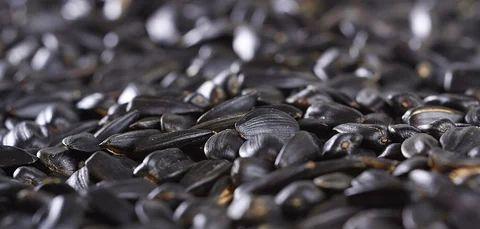
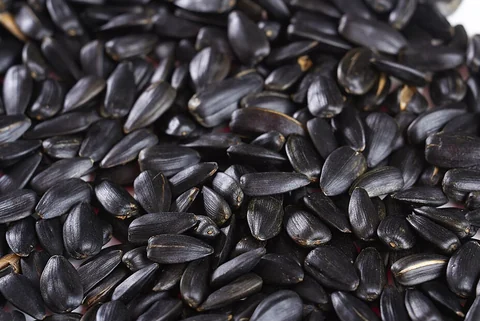
A straightforward seed offering can be easier to maintain than several specialty foods at once. Black oil sunflower and sunflower hearts differ in hull waste, exposure, and how quickly you should expect to use them; compare those trade-offs in our sunflower guide. Match the food to the dispenser's ports and the birds you actually see. A seed that cannot move through the opening is unavailable regardless of its nutritional reputation.
Start with a modest quantity from a source where the packaging and condition are easy to inspect. Keep the label so you know what you offered when reviewing results. Avoid adding kitchen scraps simply because the weather feels severe. Familiar human foods are not a substitute for a considered bird-feeding plan. Once one food is working well, add another only when you can explain which visitors or feeding behavior it is intended to support.
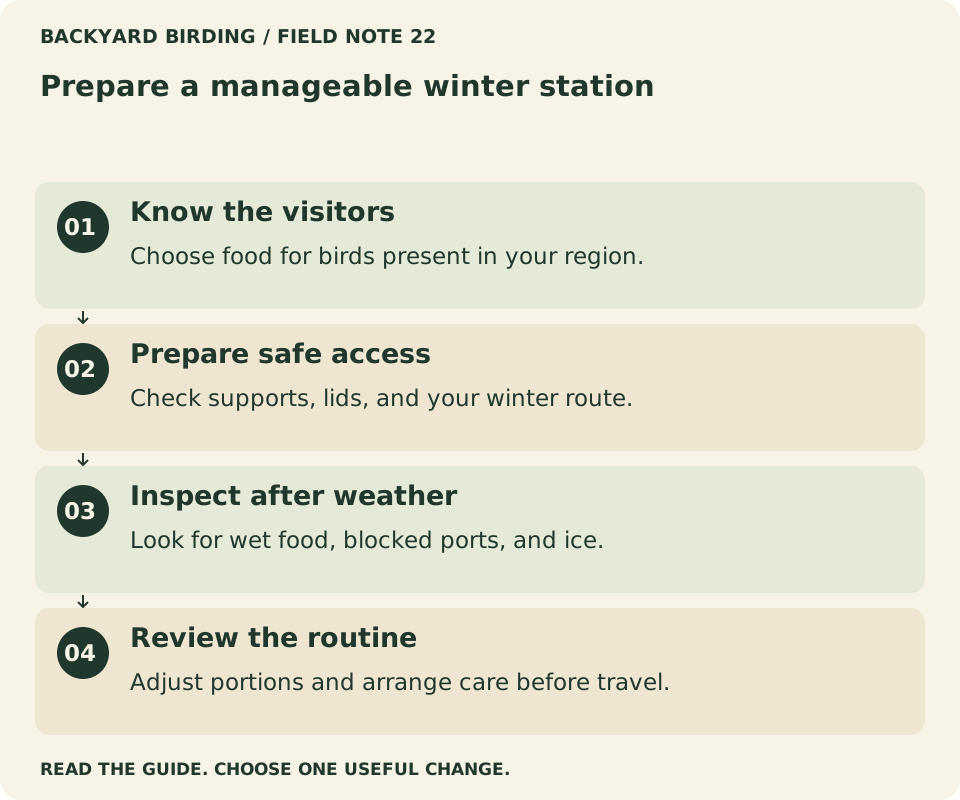
Your visual action map

Read the visual as text
- Know the visitors. Choose food for birds present in your region.
- Prepare safe access. Check supports, lids, and your winter route.
- Inspect after weather. Look for wet food, blocked ports, and ice.
- Review the routine. Adjust portions and arrange care before travel.
Decide whether suet fills a real gap
Suet can add a feeding option for clinging birds such as woodpeckers and nuthatches, where those species occur. Choose a product intended for wild birds and a secure, cleanable holder. Read the storage and temperature directions even in winter; a sunny afternoon or warm spell can change the condition of a cake. Inspect it rather than assuming a calendar month guarantees suitable temperatures.
If you already struggle to keep a seed feeder clean, adding suet may create another unfinished task. Start with a small cake or portion that fits the holder correctly, and observe whether birds use it before buying in bulk. Remove packaging and avoid loose mesh bags. Our suet guide covers feeder styles, cake condition, and replacement decisions. The point is to add a distinct feeding surface, not to turn one pole into a collection of every available food.
Prepare the station before the first storm
Check mounting hardware, lids, drainage openings, and your route to the feeder while conditions are comfortable. A loose latch is easier to replace now than with cold hands during freezing rain. Make sure you can remove the feeder without climbing onto an icy step or reaching across a slippery bed. If access depends on moving a heavy planter or clearing a narrow passage, simplify the arrangement before winter weather arrives.
Put a brush for loose snow and a container for old food with the maintenance supplies. Keep them separate from tools used for household food. Think through where a wet feeder will dry after washing and how you will carry it without scattering debris indoors. This preparation is ordinary housekeeping, but it determines whether the station remains manageable when the weather makes each small task slower. A winter plan begins with access, not capacity.
Keep snow removal gentle and practical
After snowfall, inspect whether birds can reach the food and whether the openings remain clear. Brush loose snow away without striking brittle parts or forcing an iced lid. Follow the manufacturer's guidance for thawing components; sudden heat can damage some materials. Do not pour hot water through a seed reservoir and immediately refill it. Retained moisture creates another problem even if the ice disappears.
Clear enough of your own route to service the station safely, and keep deicing chemicals away from food and drinking surfaces. If conditions make access unsafe, wait until you can work safely rather than improvising from a ladder or unstable footing. A removable feeder or reachable pole is especially useful here. Note where snow repeatedly builds up, because that pattern may reveal a better position or a need for a more suitable roof design before the next storm.
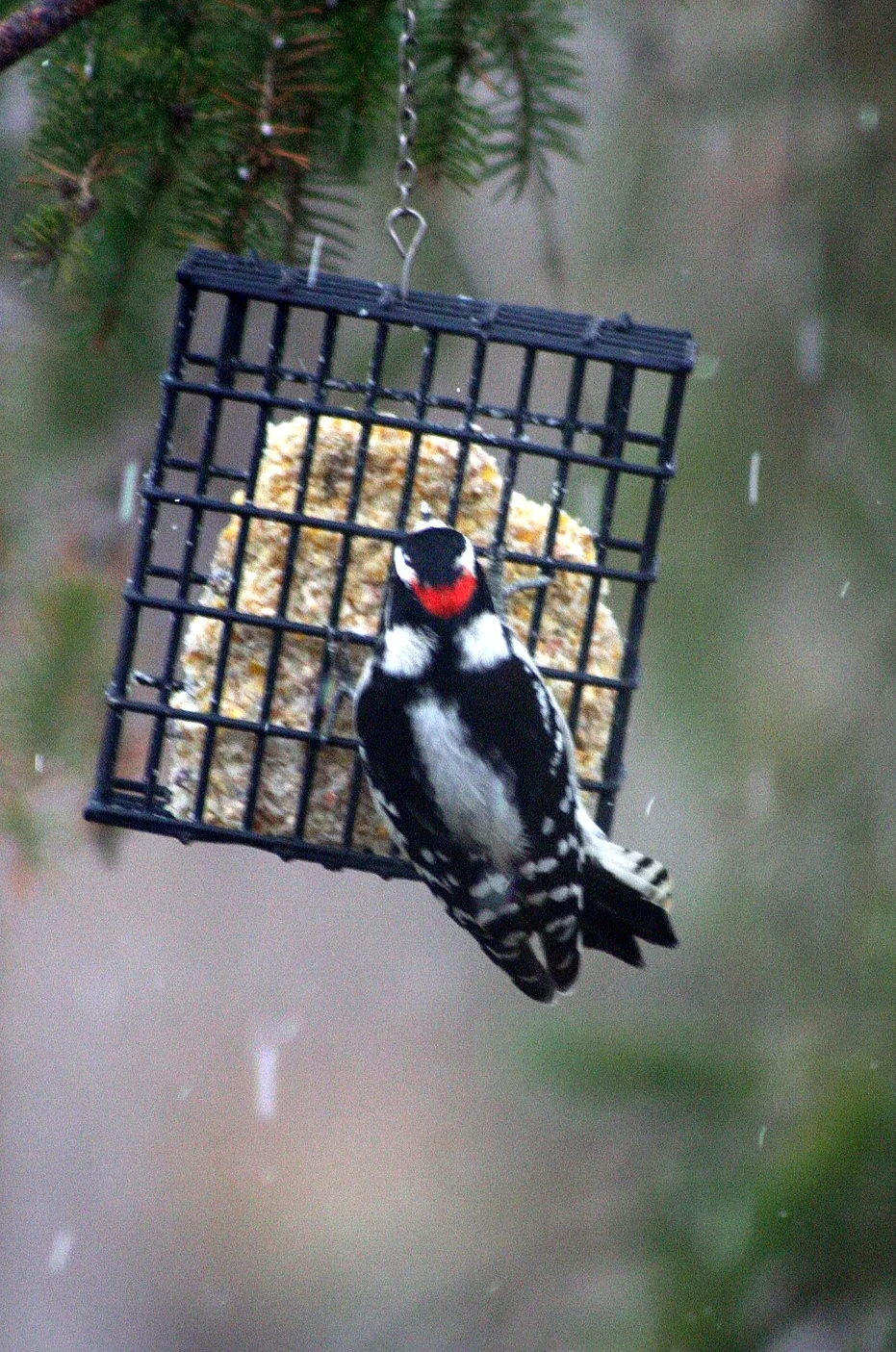
Photo: Robert Taylor from Stirling, ON, Canada · Downy Woodpecker at the Suet Feeder in a Snow Flurry 5738 (6354126213).jpg · CC BY 2.0. Cropped, gently adjusted, and resized for this guide.
“Winter readiness starts with access and care, not maximum capacity.”
Backyard Birding — editorial takeaway
Treat rain and thaw as serious maintenance events
Winter is not always dry cold. Wet snow, thawing ice, and prolonged rain can introduce moisture into seed channels and trays. Inspect the lower reservoir after these events, including areas below the lowest port. Seed can bridge above a damp pocket, making the top look full and normal while the base is no longer in good condition.
Discard compromised food rather than mixing it with dry seed. Empty, clean, and dry the feeder before refilling, and investigate where water entered. A larger roof may not help if irrigation, gutter runoff, or sideways rain is the cause. Use the weather pattern to improve the setup instead of treating spoilage as an unavoidable cost of winter feeding. Smaller fills are often easier to inspect and replace, especially when your local winter alternates between freezing nights and wet afternoons.
Keep a fresh-water routine you can sustain
Water can be an additional feature if you can maintain a clean, accessible basin. A heater designed specifically for bird baths may help in freezing conditions, but it introduces electrical installation and manufacturer requirements. Use equipment appropriate to the outdoor setting, follow the directions, and consult a qualified professional if the supply or protection is uncertain. Do not improvise a heater or add antifreeze, salt, or other chemicals to keep water liquid.
If you choose not to use electrical equipment, consider whether a simple replacement routine is realistic for your climate. Avoid forcing a frozen basin free or pouring very hot water onto a material that may crack. Keep the bath away from falling seed and droppings. Our bird bath depth guide explains accessible water levels; winter does not remove the need for clean surfaces and secure footing.
Use shelter as part of the whole yard
Evergreens, shrubs, and other suitable vegetation can offer cover around a winter feeding area. Their value extends beyond the feeder, which is only one temporary food source in a larger landscape. Preserve useful existing vegetation where appropriate and consider future plantings based on local conditions. A plant's mature size, moisture needs, and regional suitability matter more than whether a catalog labels it bird friendly.
Do not create a dense hiding place directly beneath a busy feeding surface without considering predators and visibility. Keep cats indoors or in a secure enclosure, and inspect the relationship between cover and the birds' approach. A brush pile may be useful in a suitable location, but it should not obstruct your cleanup route or conflict with fire and property requirements. Habitat planning works best when it accounts for both wildlife use and ordinary maintenance around the house.
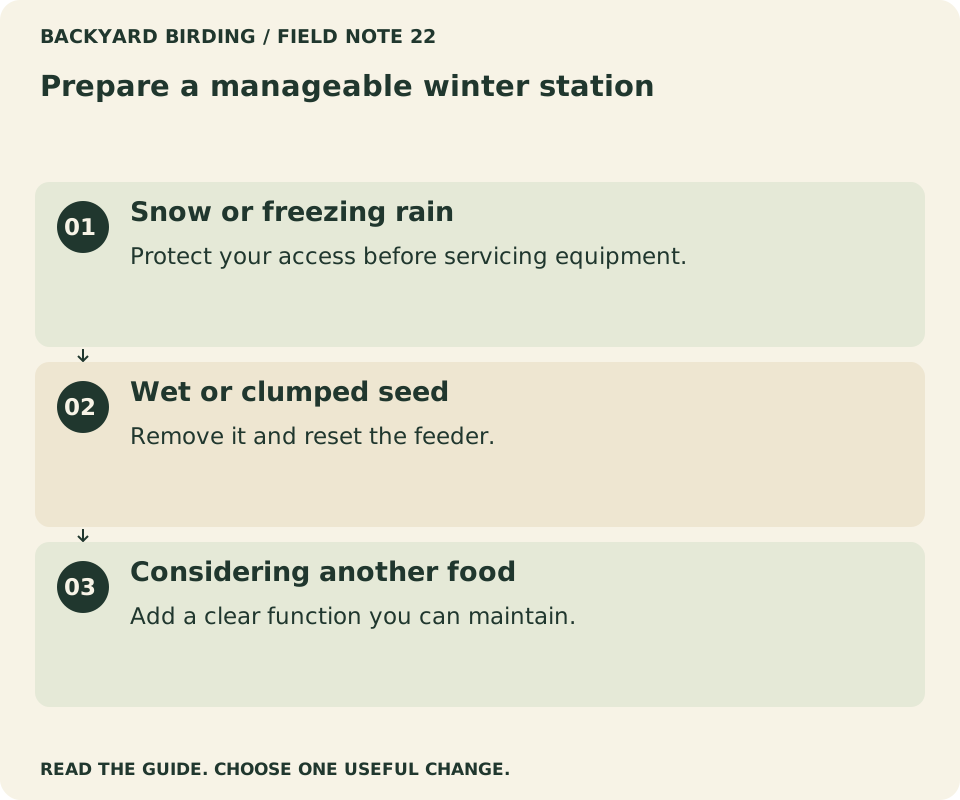
Find your situation

Read the visual as text
- Snow or freezing rain. Protect your access before servicing equipment.
- Wet or clumped seed. Remove it and reset the feeder.
- Considering another food. Add a clear function you can maintain.
Adjust portions using condition and turnover
Measure a starting fill that you can recognize, then note how much remains during your next inspection. You do not need to weigh every seed. The useful distinction is whether the food is turning over while still in good condition or sitting through repeated wet periods. Avoid topping up indefinitely, because the oldest food can remain hidden at the bottom.
A busier day does not prove that you need a bigger feeder. Consider whether the increase is temporary, whether the feeding surface stays clean, and whether you can maintain the extra volume. If birds empty a sound feeder quickly, a second small fill may be more manageable than a larger reservoir. If food remains untouched, check flow and freshness before changing the mix. Let the routine respond to evidence rather than to the emotional impression that winter always requires maximum quantities.
Keep cleaning possible in cold weather
Set up a washing and drying space before you need it. Bringing a dirty feeder inside requires containment, dedicated tools, and separation from food preparation surfaces. A tub makes transport easier and keeps loose debris from spreading. Follow the feeder's material instructions and the cleaning product label, then rinse and dry fully before returning the feeder outside.
A spare clean feeder can help you rotate equipment while one dries, but only if you keep track of which is ready. Labeling a drying tray is often enough. Do not skip cleaning because water freezes outdoors, and do not put seed into a still-wet chamber to hurry the job. Our seed feeder cleaning guide provides the complete sequence. Winter changes the logistics of care; it does not turn a contaminated feeding surface into an acceptable one.
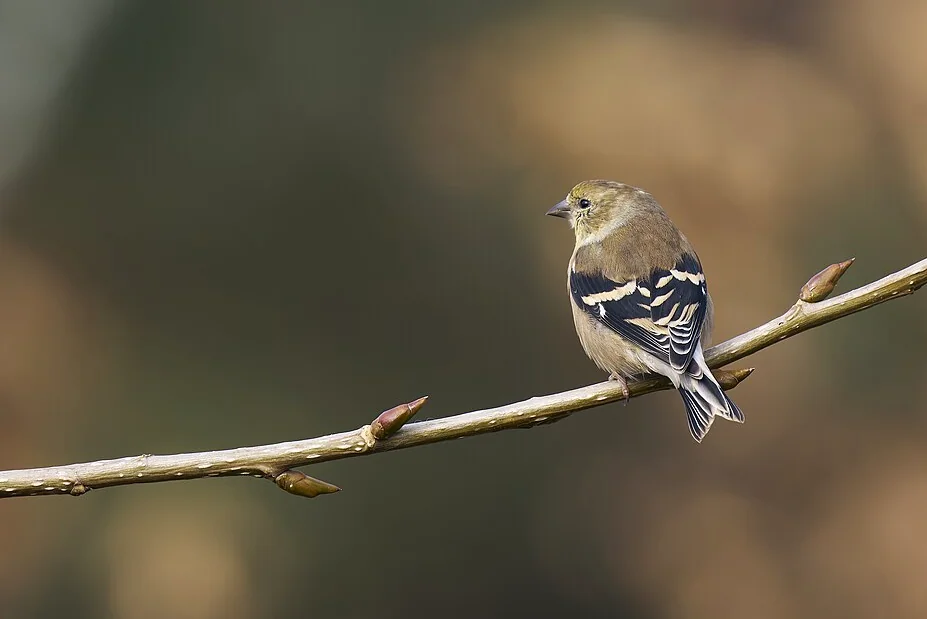
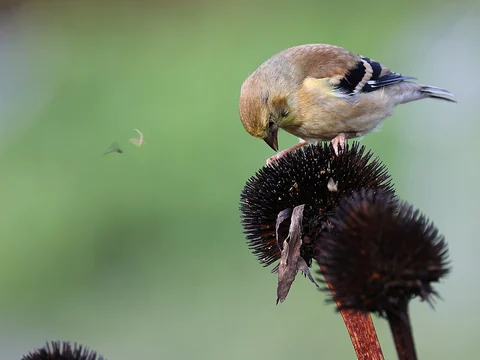
Photo: Paul Danese · 20241110 american goldfinch bolton notch sp PD203062.jpg · CC BY-SA 4.0. Cropped, gently adjusted, and resized for this guide.
Watch birds without turning every pause into an emergency
A quiet feeder can reflect natural food availability, weather, time of day, disturbance, or changing local movements. One slow watch does not establish that birds have disappeared or that your feeding plan has failed. Compare several observations made at similar times, and look beyond the feeder itself. Birds may be using shrubs, tree bark, or neighboring habitat where you are not immediately noticing them.
At the same time, take sick birds, unusual deaths, or local advisories seriously. Those require current wildlife guidance rather than a larger refill. Keep observation separate from diagnosis: write down what you saw and contact the appropriate local source when needed. A calm record is more useful than guessing at a cause from a single photograph. You can be attentive without assuming responsibility for controlling every change in a wild bird's day.
Plan for travel before stocking extra food
If you will be away, decide whether someone can maintain the feeder properly. Explain the food, fill amount, cleaning supplies, and conditions that mean feeding should pause. Leaving a huge reservoir is not equivalent to leaving care instructions, especially when rain or thaw may affect the food. A helper should know how to remove the feeder and where to place dirty equipment.
If reliable care is unavailable, avoid setting up a system that will remain unattended with deteriorating food. Follow any relevant local feeding guidance and make a practical plan in advance. The important distinction is between a managed supplement and a forgotten food container. Keep the wider yard useful through appropriate habitat, not just equipment. A clear handover or considered pause is a better plan than hoping a large quantity of seed will stay suitable until you return.
Build a storm-response table
Write your own response plan while you can think comfortably about the options. Keep it short enough to use from the doorway during bad weather. The table below is a starting framework, not a set of mandatory actions for every climate.
| What changed | Inspect first | Your next action |
|---|---|---|
| Snow covers feeding ports | Access and plastic condition | Gently clear when safe |
| Rain reaches the reservoir | Lower seed and drainage | Remove wet food; clean and dry |
| The path becomes icy | Your footing and reach | Wait or use a safer access plan |
| Water freezes repeatedly | Basin and equipment instructions | Use a sustainable, safe routine |
| A local disease advisory appears | Current authority guidance | Follow its feeding instructions |
Add the location of your tools and a contact for any helper. This turns concern into a few specific decisions and reduces the temptation to improvise risky fixes when conditions are uncomfortable.
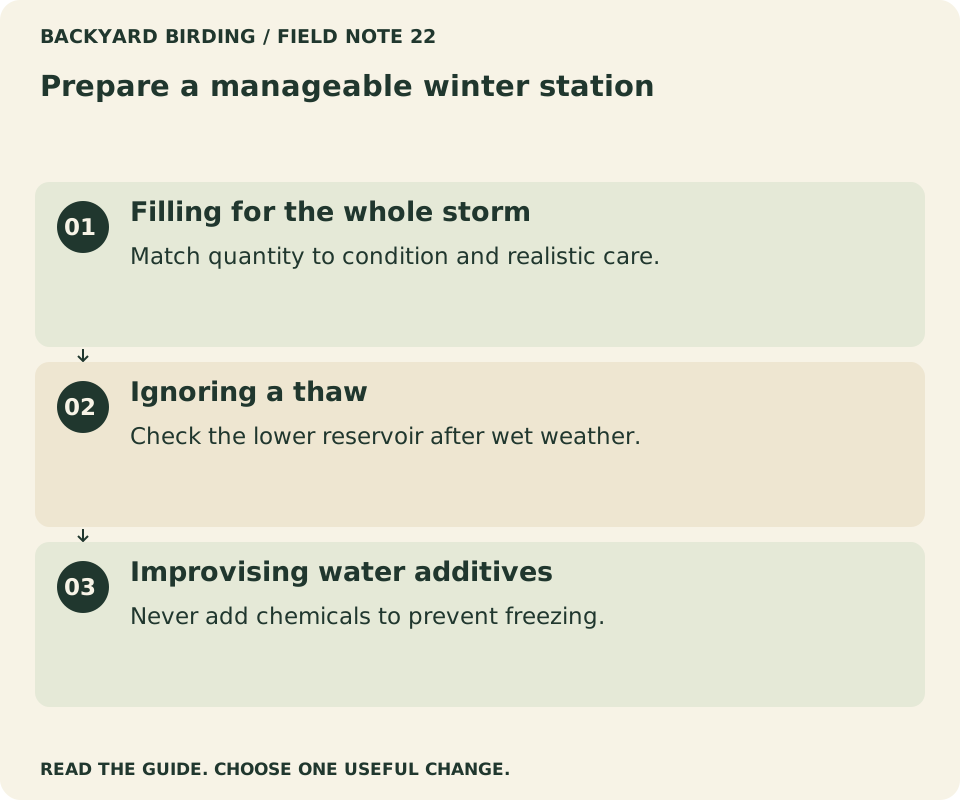
Small mistakes. Better moves.

Read the visual as text
- Filling for the whole storm. Match quantity to condition and realistic care.
- Ignoring a thaw. Check the lower reservoir after wet weather.
- Improvising water additives. Never add chemicals to prevent freezing.
Review the station during a warm spell
A mild interval is a useful maintenance opportunity. Inspect supports for movement, lids for cracks, and the ground for waste that was hidden under snow. Clean equipment that is due for attention and check stored food for dampness or pests. A winter setup may have accumulated small problems that were difficult to address during several consecutive cold days.
Use the same visit to reconsider food quantities. A temporary surge in visitors may have passed, or a warm wet pattern may require smaller fills. Review any suet still hanging and follow its condition and label rather than assuming it is fine because it was purchased for winter. Look at glass reflections too, especially after moving equipment. A seasonal routine should remain adjustable; the point of a plan is to make sensible changes easier, not to preserve every decision until spring.
Define success beyond a crowded feeder
A successful winter station has appropriate food in good condition, secure equipment, manageable waste, and a care routine you can sustain. Bird numbers are interesting, but they are not a complete measure of whether you are helping responsibly. A smaller number of visits can still provide worthwhile observation, especially when you learn how familiar species use different parts of the yard.
At the end of the season, record what you would repeat and what you would simplify. Perhaps the reachable pole worked well, the oversized tray did not, and a small covered storage container made refilling easier. These concrete notes are more useful than deciding only whether the winter felt busy. Carry the lessons into spring, when food conditions, natural resources, and visitor behavior change again. Good winter feeding is one part of a year-round relationship with the local landscape.
Watch it. Then try it.
Review the steps and common mistakes in two short, silent animations. Each has a complete text transcript below.
Your four-step action map
Read the complete video transcript
Prepare a manageable winter station.
- Know the visitors. Choose food for birds present in your region.
- Prepare safe access. Check supports, lids, and your winter route.
- Inspect after weather. Look for wet food, blocked ports, and ice.
- Review the routine. Adjust portions and arrange care before travel.
Try the steps, then note any problem that still needs attention.
Three mistakes to avoid
Read the complete video transcript
Prepare a manageable winter station.
- Filling for the whole storm. Match quantity to condition and realistic care.
- Ignoring a thaw. Check the lower reservoir after wet weather.
- Improvising water additives. Never add chemicals to prevent freezing.
Try the steps, then note any problem that still needs attention.
Both animations use this real photograph by Sikander Iqbal. Photo source · CC BY-SA 4.0. The photo is adapted into original educational animations, not recordings of a field test.
At a glance
| Before your next step | Your practical check |
|---|---|
| Snow or freezing rain | Protect your access before servicing equipment. |
| Wet or clumped seed | Remove it and reset the feeder. |
| Considering another food | Add a clear function you can maintain. |
Sources & evidence
- Audubon: How to feed birds safely in winter
- Cornell Lab: Suet and other bird foods
- Cornell Lab: How to clean your bird feeder
- Cornell Lab: Current guidance on preventing window collisions
Our standard: real evidence before ratings. Corrections follow our editorial process.
Our verdict & your next actions
Choose the row that describes your setup, then follow the suggested check or adjustment.
| Your situation | Our verdict | Your next action |
|---|---|---|
| Snow or freezing rain | Protect your access before servicing equipment. | Use the winter response table. |
| Wet or clumped seed | Remove it and reset the feeder. | Follow the cleaning sequence. |
| Considering another food | Add a clear function you can maintain. | Evaluate suet. |
Your pocket field checklist
Tick off the steps as you go.
0 of 4 steps completed
Keep building your knowledge in bird seed, or search the full backyard library.