
BIRDS
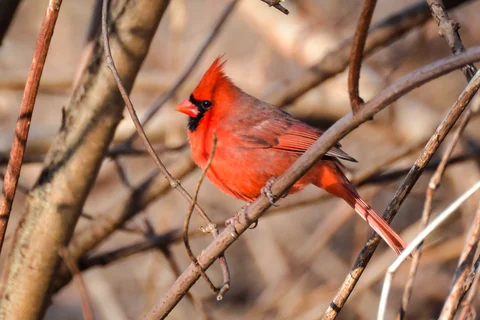
Northern Cardinals: Identification, Food, and a Welcoming Yard
Identify Northern Cardinals and plan food, landing space, cover, and water for your yard.

The familiar bird is only familiar until you look again.Explore 16 guides →
Identify Northern Cardinals and plan food, landing space, cover, and water for your yard.
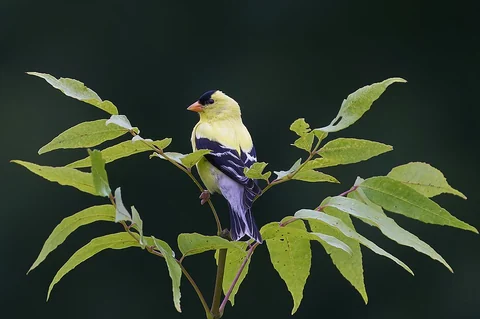
A beginner-friendly introduction to goldfinches and planning a finch feeding station.
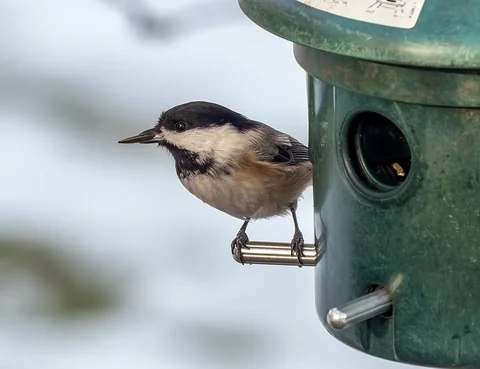
Recognize a familiar visitor and make a more useful backyard observation record.
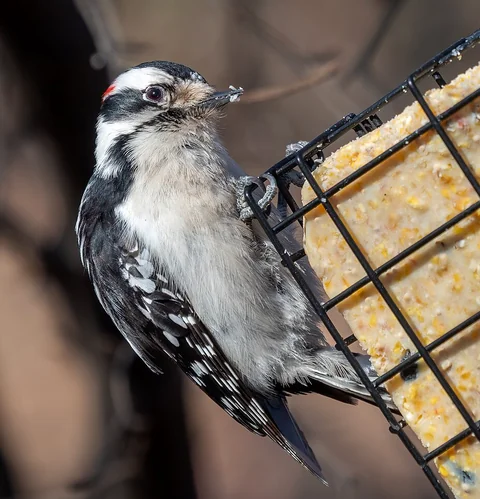
Make your yard useful to local woodpeckers with suitable habitat, a manageable feeding option, and considerate observation.
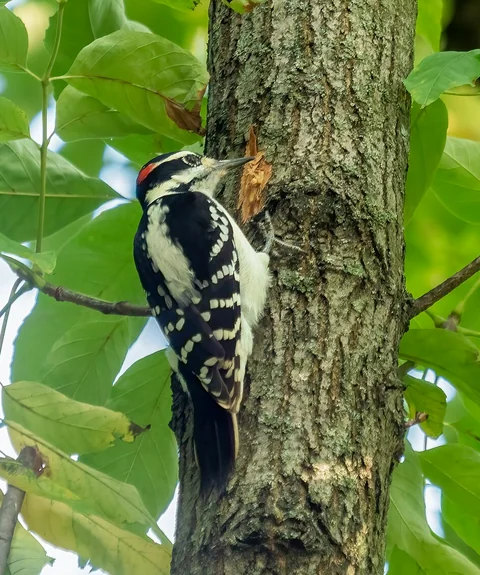
Compare bill proportions, size context, tail markings, and viewing angle to identify Downy and Hairy Woodpeckers honestly.
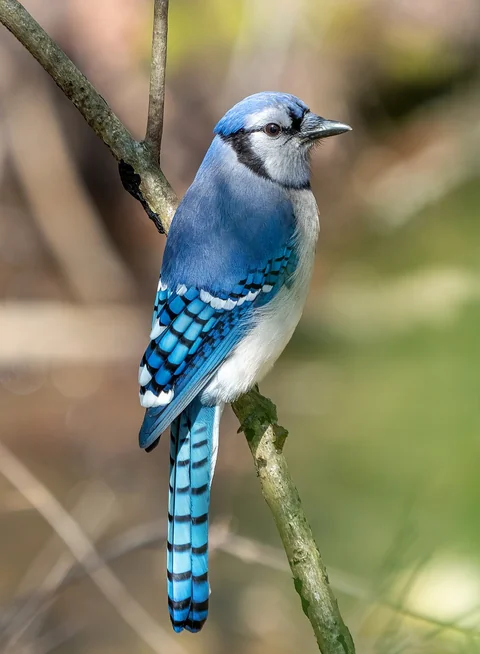
Recognize Blue Jays, understand carrying and caching, assess feeder access, and observe calls and family activity responsibly.
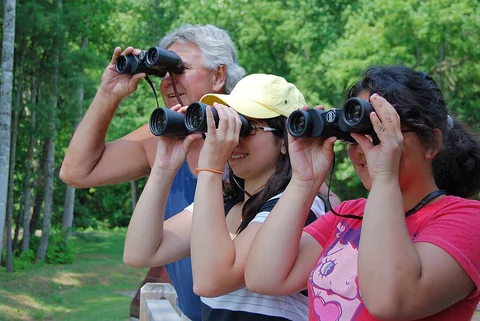
Use a simple observation template, count honestly, preserve identification uncertainty, and turn ordinary visits into useful records.
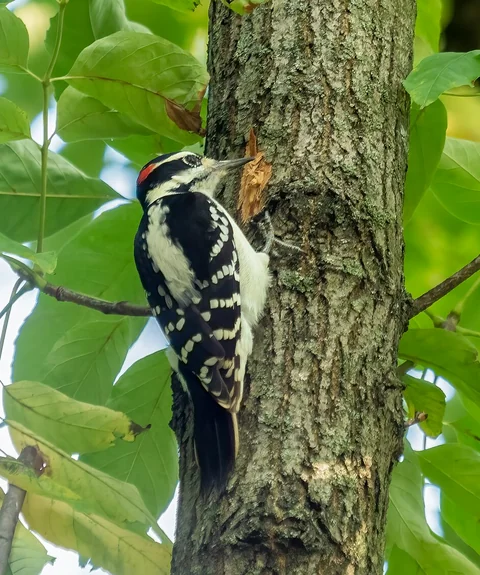
Check automated bird labels with visible field marks, location, original clips, lookalike comparisons, and an honest confidence record.
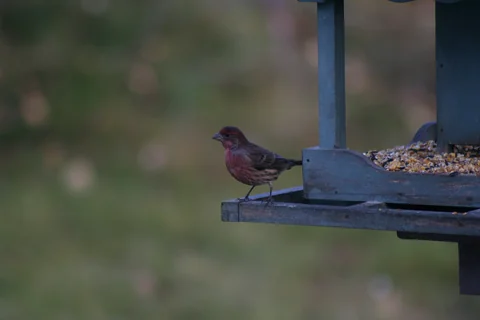
Compare male and female finch faces, streaks, color distribution, shape, range, and photographs without forcing an uncertain ID.
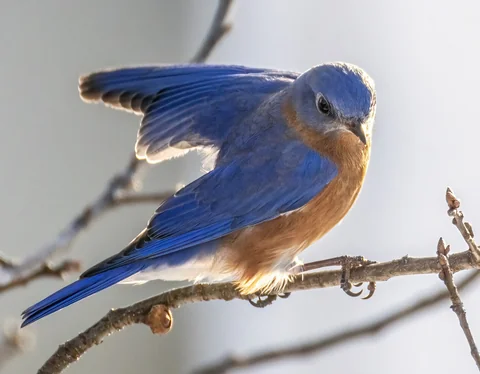
Build a practical bluebird plan with local species identification, open foraging habitat, native plants, modest mealworm offerings, and monitored nest boxes.
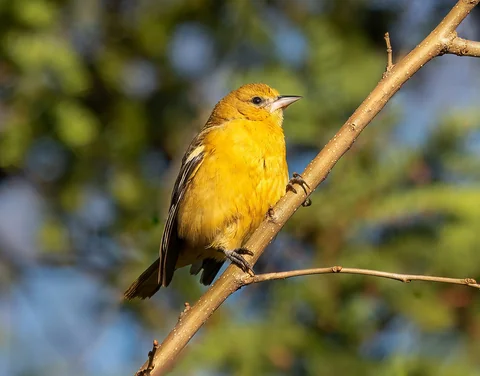
Plan for local orioles with trees, natural food, fresh oranges, optional nectar, cautious jelly use, clean water, and a manageable seasonal feeding routine.
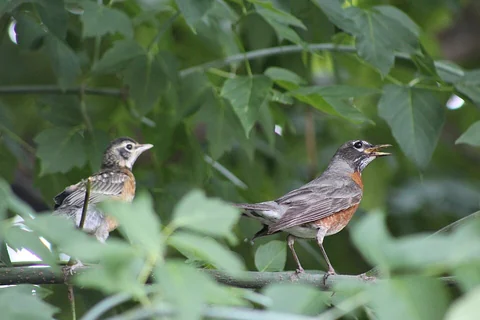
Identify American Robins and their spotted young, understand seasonal food and nesting, and make your yard useful with water, plants, and safer observation.
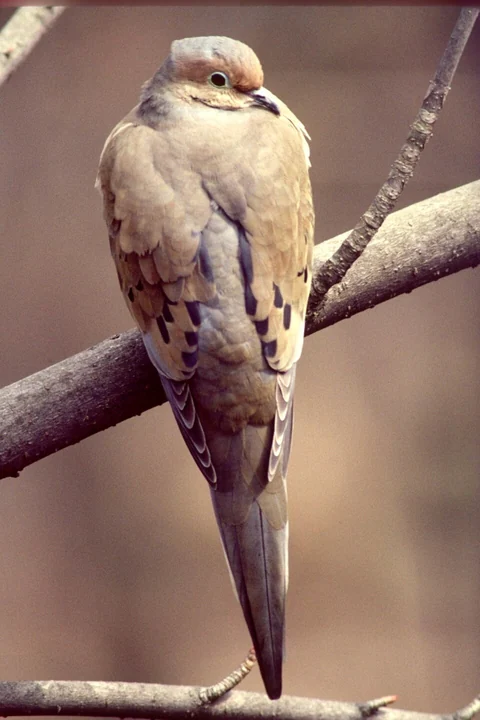
Learn Mourning Dove field marks, compare similar doves, offer food with less mess, and understand nesting, fledglings, water, and safer backyard observation.
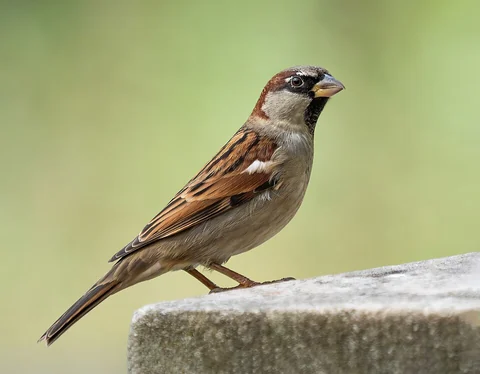
Compare male and female House Sparrows with common native sparrows using head patterns, breast markings, bill shape, season, habitat, and clear photographs.
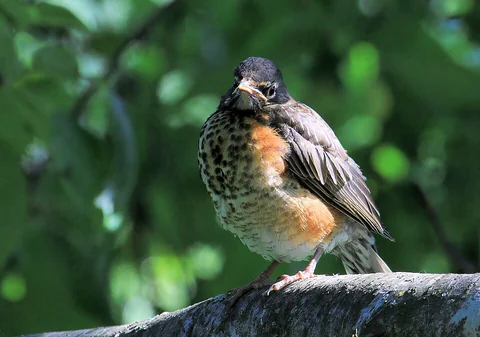
Decide what to do after finding a baby bird: recognize healthy fledglings, assess nestlings safely, keep pets away, and seek licensed help for injured birds.
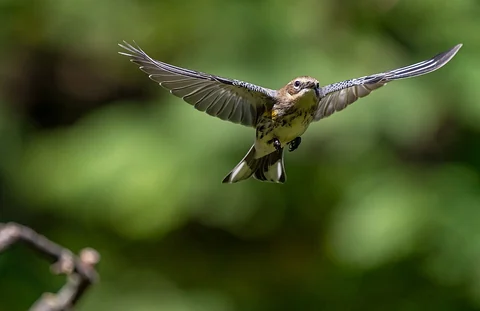
Follow fall bird migration in your backyard with local records, careful identification, native food plants, clean water, safer windows, and less outdoor light.