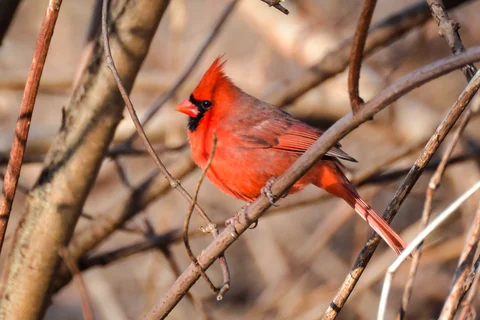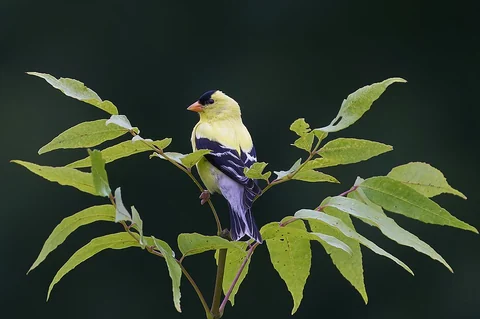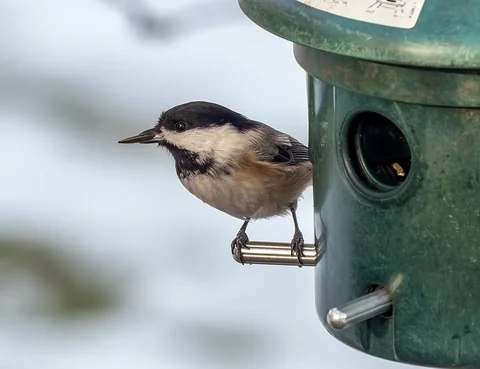
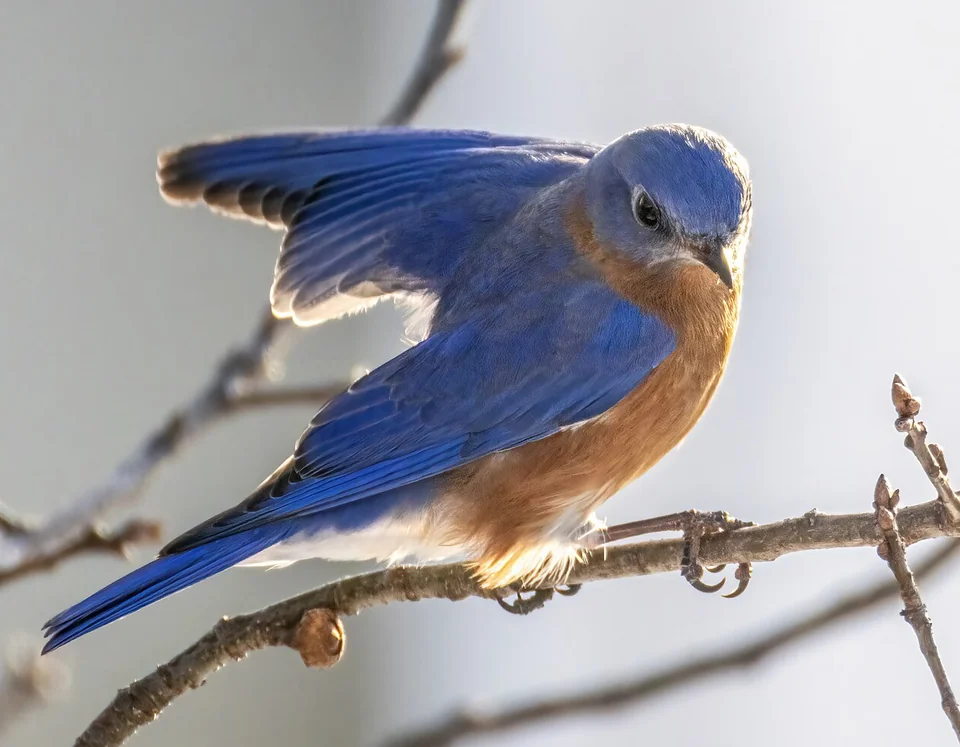
Photo: Acroterion · Eastern Bluebird MD1.jpg · CC BY-SA 4.0. Cropped, gently adjusted, and resized for this guide.
The short answer
Start with the bluebird species expected locally and suitable open foraging habitat. Add useful native plants, clean shallow water, and an optional small mealworm offering. Install a species-appropriate nest box only with safe mounting, predator protection, and a monitoring plan.
Start with a yard bluebirds can actually use
To attract bluebirds, begin with suitable habitat: an open area for finding food, nearby perches, useful native vegetation, and a safe nesting opportunity where appropriate. Mealworms can encourage visits, but a food dish cannot turn every heavily shaded courtyard into bluebird habitat. Match the plan to the birds that occur locally and the space you can maintain.
The best first observation is often away from the feeder. Watch a fence line, a low branch overlooking short vegetation, or the edge of an open park. A bluebird may sit quietly, drop to the ground, and return to a perch with prey. That sequence tells you why a clear view of accessible foraging ground matters more than another bag of mixed seed.
This guide uses Eastern Bluebirds as the main backyard example, while keeping Western and Mountain Bluebirds distinct. Their ranges and habitat use differ, and their nest-box requirements should not be treated as interchangeable. The Cornell Lab's Eastern Bluebird account provides the natural-history foundation; local records and species-specific box plans should guide your own installation.
Work in a useful order: confirm the species, assess habitat, reduce avoidable hazards, and decide whether you can monitor a box or maintain a feeding dish. That sequence prevents a common disappointment: buying specialized equipment before checking whether local bluebirds are likely to use the property.
Your goal is an appropriate opportunity, not a guaranteed tenant. A yard can become safer and more useful even when the first nesting season passes without occupancy. Improvements to native plants, observation habits, and predator protection continue to matter beyond one pair of birds.
Identify the bluebird before choosing the equipment
There are three North American bluebird species. Adult male Eastern Bluebirds have blue upperparts with a rusty throat and breast. Western males also combine blue and rusty colors, but the blue throat is an important distinction. Male Mountain Bluebirds are predominantly blue without the same rusty breast pattern. Females and young birds are subtler, so compare several marks and check range.
| Species | Helpful adult male clue | What to verify locally |
|---|---|---|
| Eastern Bluebird | Rusty throat and breast below blue upperparts | Range, seasonal presence, and open habitat |
| Western Bluebird | Blue throat with rusty breast and sides | Local woodland openings and nesting guidance |
| Mountain Bluebird | Broad blue coloration without a rusty breast | Elevation, open-country habitat, and seasonal records |
Do not identify a bird from blue color alone. A Blue Jay is larger, has a crest and different markings, and behaves differently around feeding stations. Lighting can also make a bluebird look gray until it changes position. Try to see the head, throat, breast, wing, and tail rather than relying on one vivid patch in a photograph.
Use a field guide or verified regional account for females and juveniles. A spotted young thrush near adult bluebirds can be informative, but a brief glimpse should remain a tentative observation. Record what you actually saw instead of forcing a species name because you recently installed a box.
Check several dates in local sightings rather than one exceptional record. A rare winter visitor does not necessarily indicate a resident breeding population. This distinction changes whether your most realistic opportunity is seasonal feeding, nesting habitat, or simply better observation during passage.
Read the property as a foraging landscape
Stand at the edge of your yard and look across it from several directions. Where can a bird perch and see the ground? Which areas offer relatively accessible vegetation? Where do cars, pets, and regular human activity interrupt that space? A rough sketch can reveal these relationships more clearly than a shopping list.
An open lawn is only one possible element. The useful combination is foraging space beside appropriate vegetation and perches, not a requirement to turn the entire property into closely cut grass. Preserve habitat diversity. Native shrubs, trees, and less intensively managed margins can contribute food and shelter while a smaller open patch remains available for hunting.
Avoid creating attractive feeding or nesting opportunities beside predictable hazards. A box overlooking a busy vehicle entrance may offer open ground but a poor overall setting. A dish next to a cat's hiding place solves food access while worsening another problem. Evaluate the approach, the feeding spot, and the route away as one scene.
If your yard is densely enclosed by buildings or deep woodland, be realistic. You may have better opportunities for chickadees, wrens, or other locally appropriate species. Choosing the birds that fit the existing habitat can be more rewarding than repeatedly buying bluebird-specific products for an unsuitable location.
For a small property adjoining open land, consider the wider landscape without assuming control over it. Ask what happens beyond your fence during mowing, pesticide application, recreation, or seasonal land use. A view that looks ideal today may change in a month. Habitat assessment should include the ordinary uses of the surrounding area, not just the prettiest photograph of the yard.
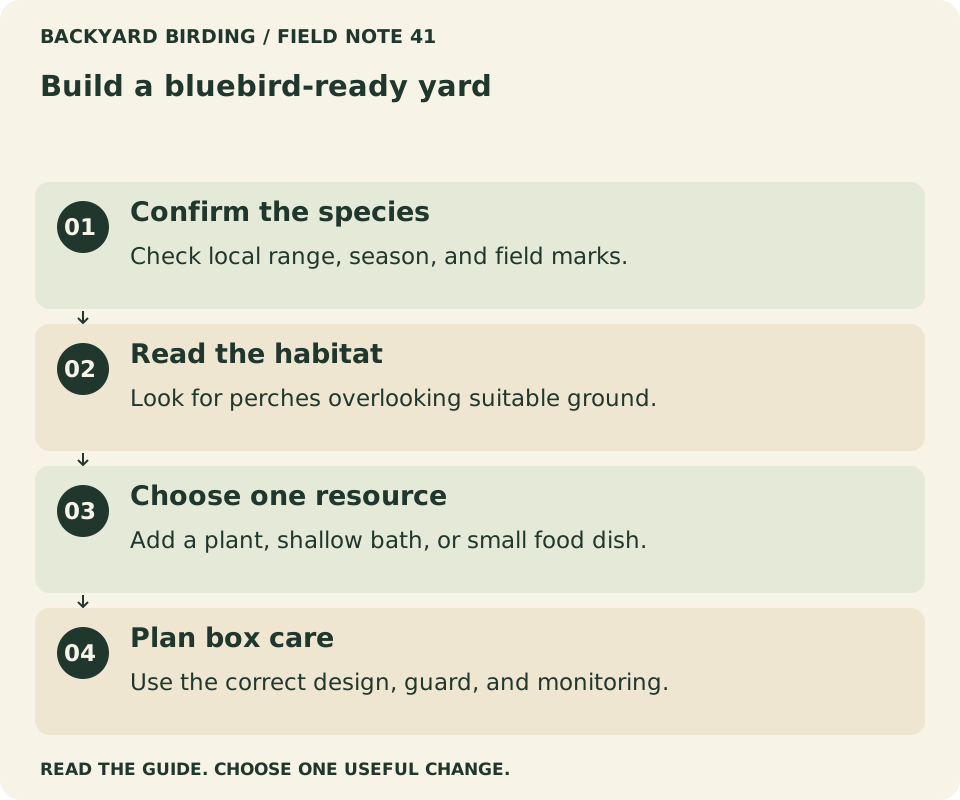
Your visual action map

Read the visual as text
- Confirm the species. Check local range, season, and field marks.
- Read the habitat. Look for perches overlooking suitable ground.
- Choose one resource. Add a plant, shallow bath, or small food dish.
- Plan box care. Use the correct design, guard, and monitoring.
Protect the insects that support the food web
Bluebirds take many insects and other small arthropods. Their feeding shifts with season and opportunity, but a living landscape supplies more than a purchased dish of mealworms. Supporting that food web is a central part of attracting them responsibly.
Review routine pesticide use with this goal in mind. A yard managed to eliminate every visible insect is a poor starting point for insect-eating birds. Before treating a plant, identify the actual problem and seek local extension guidance on targeted options. Do not assume that cosmetic leaf damage requires a whole-yard application.
Choose plants suited to your region and growing conditions. A healthy locally appropriate plant is easier to maintain than one that repeatedly needs rescue. Native trees and shrubs can support insects as well as provide fruit or cover, but the best selection depends on soil, moisture, available space, and the local plant community.
Keep some structural variety rather than making every square foot identical. An open hunting area, a native shrub border, and retained safe tree features perform different jobs. Think in patches with clear purposes. Do not remove all understory merely because bluebirds often hunt over open ground; other birds and the wider ecosystem use that vegetation.
If you hire garden maintenance, communicate the plan explicitly. Mark the areas you want retained and ask what products are applied. A habitat sketch is useful only if the person doing the work understands it. Explain that the open patch is intentional and so is the planted border.
Start with a manageable change, such as replacing one unnecessary treatment or adding one well-chosen native plant. A small, sustained improvement is more useful than an ambitious plan that cannot be maintained through summer.
Add fruiting plants for a different part of the year
Bluebirds also eat fruit, especially when insects are less available. This makes fruiting native vegetation a useful complement to open foraging ground. Choose plants through a local native-plant resource, checking the species rather than relying on a common name that may refer to several different plants.
Think about timing. A planting plan with different fruiting periods can offer more seasonal variety than several shrubs that ripen at once. Consider mature size, exposure, soil conditions, and whether a plant needs a compatible pollination partner. Ask a reputable local nursery or extension service when those details are unclear.
Place vegetation where it can grow normally without blocking nest-box access or creating a direct climbing route around a predator guard. The same shrub can be useful in one part of the yard and inconvenient immediately beside a box pole. Plan for its future spread, not only the size of the nursery container.
Do not assume that a fruit eaten by birds is suitable for people or pets. Keep plant selection and household safety in view, especially near play areas. Likewise, avoid importing a nonnative species simply because a bird has been observed eating its berries. Wildlife use does not erase a plant's invasive behavior in your region.
A realistic first-year plan might involve one suitable shrub and better care of existing native trees. It does not require replacing the whole garden. Use our native plants guide to turn a broad wish for bird habitat into a short, site-specific planting list.
Record flowering, fruiting, and actual bird use over time. That information will help you choose the next plant more intelligently than assuming the most heavily advertised berry shrub is automatically the best fit for your yard.
Offer mealworms as a small supplement
Mealworms are a common supplemental food for bluebirds. Offer a modest amount in a clean, accessible dish where you can observe what happens. The purpose is to provide an additional opportunity, not to replace natural foraging or create a complete diet from one purchased food.
Live mealworms move and may be noticed readily; dried products differ in presentation and acceptance. Avoid promising that one type always works. Read storage instructions, buy manageable quantities, and inspect the product before offering it. Do not use insects collected from a location where they may have been exposed to pesticides.
Choose a dish with a smooth interior that helps contain live mealworms and is easy to remove for cleaning. Keep it stable. A covered design can help with weather, but the cover should not make it hard to inspect the food or see which birds enter. Avoid a complicated enclosure until you understand who is actually visiting.
Watch the first offerings rather than leaving a large pile. You may find that other birds arrive first or that the intended visitors have not discovered the dish. Reduce waste by offering a small amount at a repeatable observation time. Remove spoiled or wet leftovers and clean the container; do not keep adding fresh food over an accumulating base.
Detailed specialist guidance is available from Sialis on feeding mealworms, including practical observations and limitations. Keep any specialized nutrition or nestling advice in its original context. For a general backyard station, habitat and dietary variety remain more important than experimenting with supplements, powders, or hand-feeding routines.
If you encounter an injured bird or a nestling that needs help, contact a qualified wildlife rehabilitator. A feeder dish does not equip you to provide rehabilitation care.
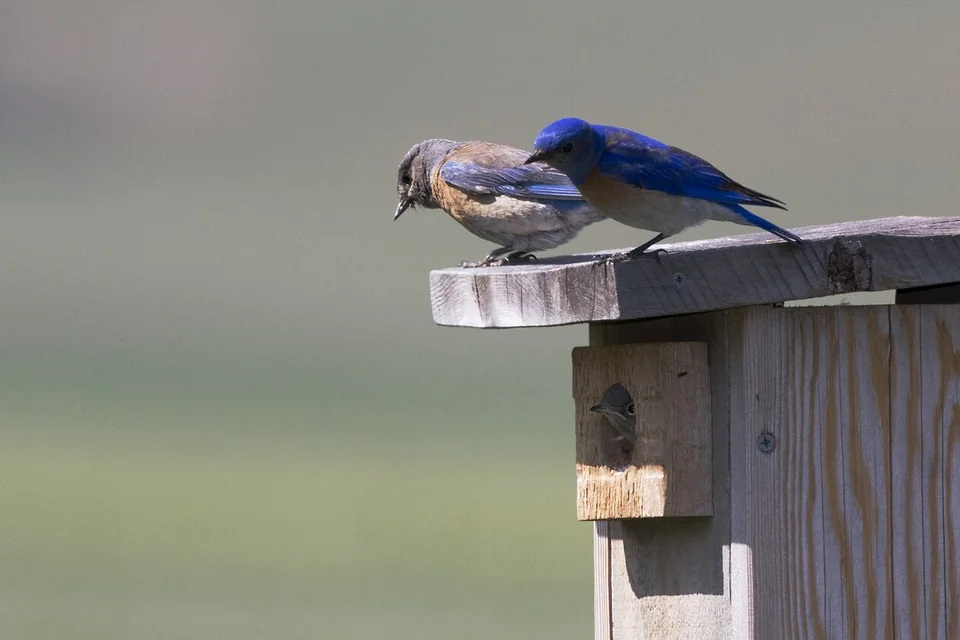
Photo: Kevin Cole · Western Bluebird (Sialia mexicana).jpg · CC BY 2.0. Cropped, gently adjusted, and resized for this guide.
“Habitat comes first; add a feeding dish or monitored box only when it fits the birds and your care routine.”
Backyard Birding — editorial takeaway
Position the feeding dish for observation and safety
Put the first dish where an approaching bluebird can see it and where you can maintain it comfortably. A place near an existing observation perch may make sense, provided it does not introduce a hazard. Keep the arrangement simple enough that you can tell whether food disappeared through feeding, spilling, or another animal's visit.
Do not place supplemental food directly on or immediately beside an active nest box. Feeding traffic and nesting activity have different purposes. A busy shared feeding point can attract other birds and draw attention to a nest location. Preserve space around nesting birds instead of turning the box entrance into a viewing attraction.
Review glass nearby. A dish placed for a perfect indoor view can draw birds toward reflected vegetation or a see-through corridor. Treat hazardous windows according to our collision-prevention guide and assess the entire flight route rather than focusing only on the dish.
Keep cats indoors and account for neighboring pets where possible. Avoid low feeding positions beside dense hiding cover used by cats. A more exposed dish is not automatically safe either; you need to consider escape options, normal bird behavior, and the actual layout together.
Make changes slowly when troubleshooting discovery. Start with one accessible location and a small offering, then observe over several suitable periods. If you move the dish every hour, birds and your own records have little chance to establish a pattern. Move it immediately if there is a clear hazard, but otherwise let observations guide the next adjustment.
The question is not whether a feeder is sold as bluebird-specific. The question is whether local birds can find the food, use the surface, and leave without encountering avoidable problems.
Provide shallow, clean water
A manageable water source can complement the feeding and planting plan. Use a stable basin with shallow access and secure footing. Place it where you can inspect and refresh it easily; water care becomes unreliable when the basin is difficult to carry, drain, or scrub.
Depth should allow birds to choose a comfortable edge. A deep decorative bowl can be unsuitable without a stable way to create shallower access, and loose arrangements should not shift beneath a bird. Our birdbath depth guide covers the placement and footing questions in more detail.
Check water daily and replace it when soiled. Clean the basin on a dependable schedule, following a suitable method for its material. A pump or moving-water feature does not remove the need to clean. Inspect hidden parts and reservoirs if the design has them, and avoid adding a feature whose maintenance you cannot sustain.
Keep the bath distinct from the nest-box location. You want useful resources across the yard without concentrating every visitor around one nesting pair. Review reflected windows, nearby pet activity, and the practical route for carrying water.
In freezing conditions, a removable bowl refreshed on a realistic schedule may be the simplest option. A heated setup requires appropriate equipment and safe outdoor electrical arrangements. Do not add salt, antifreeze, or another substance to prevent freezing. Use the winter birdbath guide if cold-weather water is part of your local plan.
Water will not guarantee bluebird visits, and it may attract a range of species. That is useful information about the yard. Record who uses it and when, then adapt the location and cleaning routine to the actual level of activity.
Choose a nest box only after choosing the species
A bluebird box is a managed nesting structure, not merely a garden ornament with a hole. It should match the intended species, open for monitoring and cleaning, remain securely mounted, and include appropriate predator protection. Plan these features before buying or building.
For Eastern Bluebirds, NestWatch's general placement table lists a round entrance of 1 1/2 inches; western species use different published plans and may need a different opening. An entrance measurement is only one part of the design. Floor area, internal depth, drainage, ventilation, roof protection, and access must work together.
Use a complete current plan from NestWatch or a reputable regional bluebird organization. Do not combine a floor from one plan, a hole from another, and an arbitrary roof because each individual component sounds reasonable. Keep the specified entrance shape as well as its dimensions; an oval opening cannot be interpreted from its height alone.
Before installation, open the box and rehearse a brief inspection. Check the latch, smooth any dangerous projections, and make sure the inside wall beneath the entrance provides appropriate climbing texture. Skip an unnecessary exterior perch. Attractive paintwork does not compensate for a sealed box that cannot be checked.
Ask who will maintain the box after the first season. If you cannot monitor responsibly, begin with habitat and observation while learning the procedure. Adding a box creates an ongoing responsibility to notice problems, not a one-time purchase followed by guaranteed nesting success.
Our birdhouse selection and placement guide explains how to compare a functional nest box with a decorative house and how to organize the installation before birds arrive.
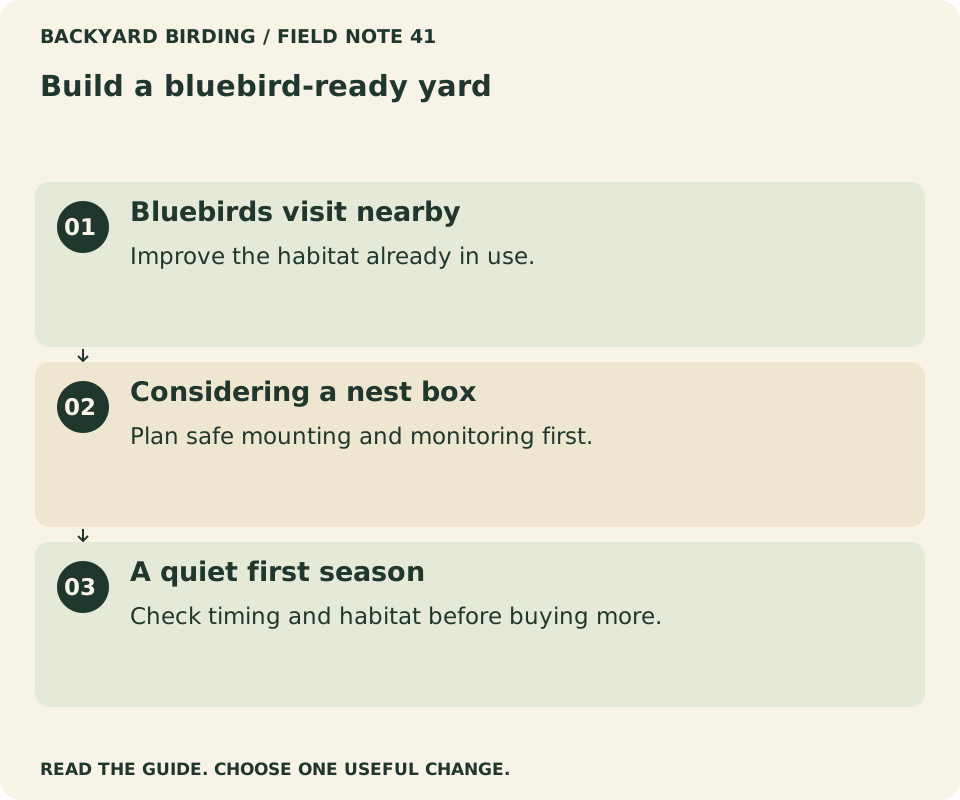
Find your situation

Read the visual as text
- Bluebirds visit nearby. Improve the habitat already in use.
- Considering a nest box. Plan safe mounting and monitoring first.
- A quiet first season. Check timing and habitat before buying more.
Mount the box where the whole installation works
Use a stable freestanding support with a suitable predator guard, following the chosen plan. A metal pole allows many common guard designs to work without the direct climbing routes offered by a tree trunk or fence. Check the mount's stability before birds occupy the box.
Eastern Bluebird guidance commonly places boxes at a readily monitored height in open habitat. NestWatch's species page gives 4 to 6 feet, while its general table includes a slightly broader range. This is a reminder to follow one complete plan and local advice rather than treating a single number as sufficient for every location.
Face the entrance toward suitable open habitat and account for local weather and afternoon heat. Compass direction is one consideration among several. Do not choose an otherwise poor site simply to achieve a particular bearing. Stand where the box will sit and imagine its exposure in spring and midsummer, after trees have leafed out.
Check routes around the guard: overhanging branches, rails, vines, stored furniture, or a nearby structure can bypass it. Consider mature plant growth and routine yard use. A successful installation in March can become accessible from a fast-growing branch later in the season.
Leave space between boxes according to the species plan. NestWatch lists about 300 feet between Eastern Bluebird boxes, with particular paired-box arrangements sometimes used for bluebirds and Tree Swallows. Pairing is a deliberate management method, not a reason to crowd several identical houses into a small garden.
Photograph the completed empty installation for your private notes. Record the plan, mounting height, orientation, and guard type. That baseline helps you identify later changes without disturbing nesting birds to inspect hardware that could have been checked beforehand.
Learn monitoring before the first nest appears
Responsible monitoring helps you understand occupancy and identify concerns while minimizing disturbance. Read the NestWatch Code of Conduct before beginning. Its schedule and cautions are part of a method; do not reduce them to a rule that opening every box frequently must be helpful.
Prepare notes before approaching. Keep a visit brief, choose suitable weather and timing, and avoid checks when young are close to fledging. Late-stage nestlings may leave prematurely if disturbed. If you do not know their age, seek guidance and use distant observation rather than opening the box out of curiosity.
Record what you can establish: species, stage, visible contents where appropriately observed, and the date. Mark uncertain details as uncertain. An adult entering a box does not by itself prove that eggs are present, and a quiet period does not establish abandonment. Repeated disturbance to resolve your uncertainty can create a problem rather than answer a question.
Keep children, visitors, and pets from gathering around the entrance. Show people the birds through binoculars from a comfortable distance. A shared interest in the nest is welcome, but it should not become a sequence of private inspections every time someone new visits the garden.
Do not handle birds, eggs, or young as part of casual monitoring. If something appears wrong, document it from a safe distance and contact an appropriate local expert. Qualified advice is especially important when intervention, an occupied box, or a potentially protected nest is involved.
Monitoring is useful because it makes you a better observer and caretaker. It should never become a demand for a daily close-up photograph or a complete view of every stage at the birds' expense.
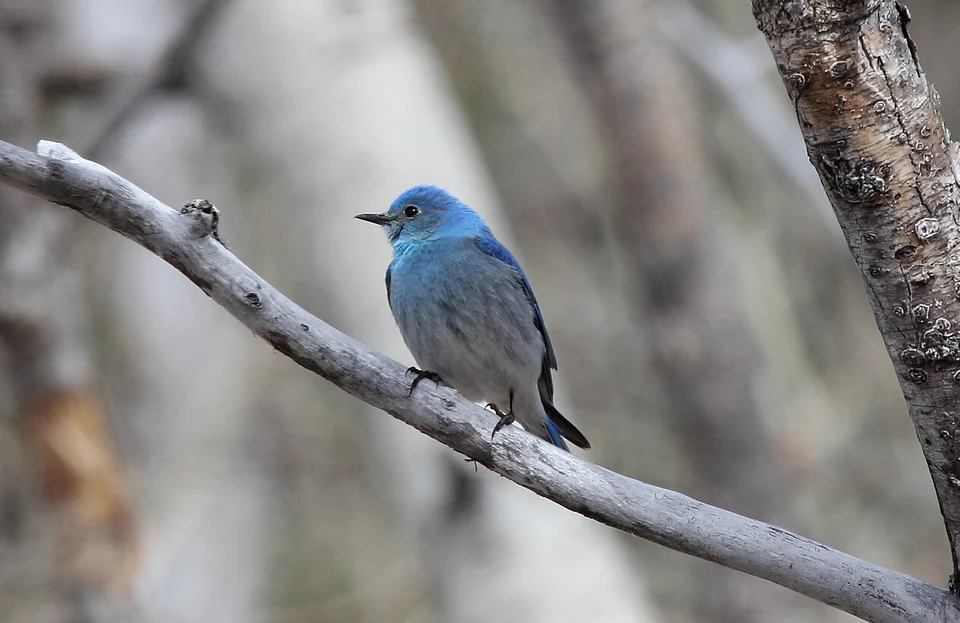
Photo: Dominic Sherony · Mountain Bluebird (Sialia currucoides) (8732009207).jpg · CC BY-SA 2.0. Cropped, gently adjusted, and resized for this guide.
Handle competition without improvising nest removal
Other cavity-nesting birds may inspect or occupy a bluebird box. Identify the species before deciding what the situation means. A Tree Swallow or chickadee using a suitable box is not evidence that the project failed, and a native bird's active nest should not be removed to reserve the space for your preferred species.
House Sparrows and European Starlings can create serious competition, but management requires accurate identification and current local guidance. A smaller entrance can exclude some larger birds, yet an Eastern Bluebird-sized opening does not reliably exclude House Sparrows. Do not describe any ordinary bluebird box as sparrow-proof without a supported basis.
If persistent competition is likely, consult a local bluebird organization before opening a new box for nesting. Discuss whether the site, food offerings, or management capacity make the installation appropriate. Preventing a recurring problem can be more useful than responding to conflict after eggs or young are present.
Avoid lethal methods, trapping, or nest manipulation based on an online shortcut. Legal protections, identification errors, animal welfare, and the possibility of active native nests all matter. When a decision depends on these factors, direct advice from the relevant wildlife authority or experienced local program is the appropriate next step.
Keep observations specific in your notebook: which species entered, whether material was carried, how often conflict occurred, and what you could actually see. Do not label a bird aggressive simply because it approached the box once. Useful evidence allows an expert to distinguish ordinary investigation from a developing problem.
Most importantly, do not install more boxes automatically in response to every conflict. Additional boxes change the management workload and spacing, and may repeat the same underlying site problem unless you have a deliberate plan.
Adjust expectations through breeding and winter
Bluebird activity changes through the year. A breeding pair, a family group, and a winter flock do not use a yard in exactly the same way. Learn what is typical locally so a seasonal change does not trigger unnecessary rearrangement of an otherwise suitable setup.
During breeding, give the nest area space. Observe feeding and movement from a distance and keep maintenance outside sensitive periods where possible. Do not move an occupied box to improve your viewing angle or because a new shrub makes the composition less attractive. Installation decisions belong before occupancy.
After young leave, do not assume that every bird on the ground requires rescue. Fledglings may spend time away from the nest while adults continue caring for them. Keep pets back and seek qualified advice if there is a clear injury or immediate danger. Do not use mealworms or water by syringe as an improvised treatment.
In fall and winter, food availability, weather, and local movement patterns can change the visitors you see. Maintain fruiting vegetation and appropriate water if you can, but avoid claims that a feeder will keep a particular family resident. Birds make their own movements across a landscape much larger than the property.
A winter roosting question is also different from a breeding-box question. Do not alter ventilation, block drainage, or convert an occupied structure based on a general cold-weather tip. Use species-appropriate advice and inspect empty equipment at a suitable time.
Treat the annual cycle as a reason to observe, not a demand to keep activity constant. A yard with fewer visible birds in one month can still provide useful habitat and become active again when seasonal conditions change.
Diagnose an empty box or ignored dish
Begin with the least dramatic explanations. Are bluebirds present nearby? Is the season appropriate? Does the habitat fit? Is the food accessible and fresh? An empty box or untouched mealworm dish does not automatically indicate a faulty product or a need for a more elaborate lure.
| Observation | Question to ask | Sensible next step |
|---|---|---|
| No local bluebird sightings | Are they expected here now? | Check regional records and observe open habitat |
| Bluebirds nearby, box unused | Is placement and design appropriate? | Review the complete species plan |
| Birds inspect but do not nest | Is this ordinary exploration? | Keep distance and continue observation |
| Mealworms disappear quickly | Which animal takes them? | Watch a small timed offering |
| Other native birds occupy the box | Is their nesting use appropriate? | Respect the active nest |
| A guard is bypassed | What physical route exists? | Seek advice; correct empty installations safely |
Keep the distinction between urgent hazards and slow discovery. A loose empty box needs repair immediately. A correctly installed unused box may need patience, not daily relocation. If an occupied installation develops a problem, obtain expert guidance before intervening.
Compare observations made at similar times and conditions. Ten minutes at midday is not equivalent to an hour early in the morning. A backyard journal can record effort as well as sightings, helping you avoid conclusions based on unequal observation.
Set a review date instead of continually tinkering. After a suitable period, assess the habitat and records together. If the property remains a poor fit, adapt the project toward species it naturally supports. That is a useful result, not a failure to find the right bluebird product.
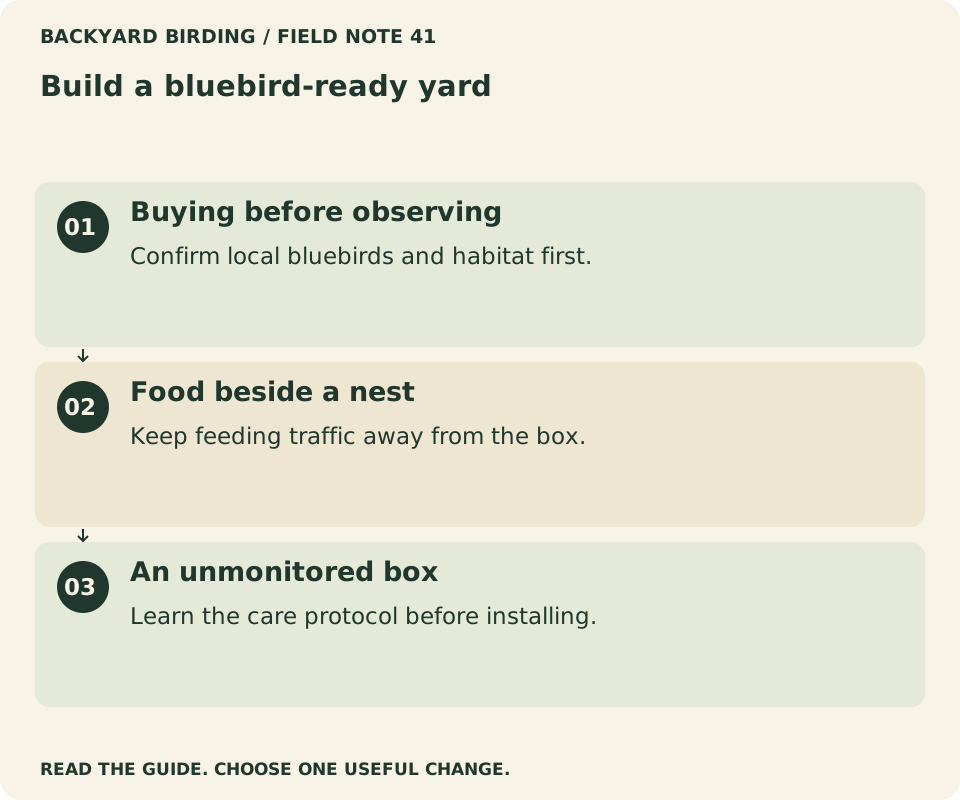
Small mistakes. Better moves.

Read the visual as text
- Buying before observing. Confirm local bluebirds and habitat first.
- Food beside a nest. Keep feeding traffic away from the box.
- An unmonitored box. Learn the care protocol before installing.
A practical first-month plan
Spend the first week observing local habitat and confirming species. Visit an accessible nearby open area if your own yard is quiet. Note perches, ground conditions, fruiting plants, pets, windows, and normal maintenance. Keep the list short enough to use while standing outside.
In the second week, address one clear hazard and one habitat opportunity. Treat risky glass, improve pet management, or review an unnecessary pesticide routine. Choose a suitable plant only after checking its mature size and local value. These actions remain useful even if you decide against a nest box.
Next, decide which managed resource fits your schedule. A clean shallow bath, a small observed mealworm offering, and a monitored box have different care requirements. You do not need all three immediately. Choose the one whose maintenance you can explain and sustain.
If a box is appropriate and the timing is suitable, obtain a complete species plan, prepare the support and guard, and learn monitoring before installation. If breeding is already underway nearby, avoid disrupting existing nesting activity to rush your project into place. There will be another suitable planning window.
At the end of the month, review what you learned rather than counting only visits. Can you identify the local bluebird? Have you reduced a hazard? Is the water or food routine working? Do you understand the obligations of a nest box? Those are concrete improvements.
Let the next step follow the evidence. A returning bird at a perch, a useful planting decision, or a safely occupied box can each be rewarding. The common thread is a yard managed around the bird's needs and your ability to care for what you provide.
Questions worth settling before you buy
Will ordinary birdseed attract bluebirds?
Bluebirds are not primarily seed-feeder birds. Focus first on suitable habitat, naturally available insects and fruit, and an appropriate supplemental offering if desired. A large bag of mixed seed is unlikely to solve a lack of open foraging space or seasonal absence.
Do I need a nest box to attract them?
No. Bluebirds may visit for food, water, or perches without nesting on the property. A box is worthwhile only when the habitat, species requirements, mounting, and monitoring capacity fit. It is an additional project, not an admission ticket to observing bluebirds.
Should I put mealworms inside the box?
No. Keep supplemental feeding separate from the nesting space. Food inside a box can create sanitation and disturbance problems and does not teach birds to choose it appropriately. Leave the interior configured according to the selected species plan.
Can I guarantee that only bluebirds will use it?
No. Entrance dimensions and habitat influence use, but other suitable cavity-nesting birds may occupy the structure. Learn their identification and respect active native nests. If you cannot accept appropriate nontarget occupants, reconsider installing the box.
What is the best first purchase?
It may be no purchase at all. Spend time observing and identifying local birds. After that, a locally appropriate plant, a manageable water basin, or the correct materials for a monitored box may address a real gap. Buy to complete an evidence-based plan, not to compensate for uncertainty about the yard.
Watch it. Then try it.
Review the steps and common mistakes in two short, silent animations. Each has a complete text transcript below.
Your four-step action map
Read the complete video transcript
Build a bluebird-ready yard.
- Confirm the species. Check local range, season, and field marks.
- Read the habitat. Look for perches overlooking suitable ground.
- Choose one resource. Add a plant, shallow bath, or small food dish.
- Plan box care. Use the correct design, guard, and monitoring.
Try the steps, then note any problem that still needs attention.
Three mistakes to avoid
Read the complete video transcript
Build a bluebird-ready yard.
- Buying before observing. Confirm local bluebirds and habitat first.
- Food beside a nest. Keep feeding traffic away from the box.
- An unmonitored box. Learn the care protocol before installing.
Try the steps, then note any problem that still needs attention.
Both animations use this real photograph by Acroterion. Photo source · CC BY-SA 4.0. The photo is adapted into original educational animations, not recordings of a field test.
At a glance
| Option or check | Purpose | Care decision |
|---|---|---|
| Open foraging patch | Accessible prey and a clear view | Retain nearby habitat variety |
| Small mealworm dish | Optional supplemental food | Observe use and clean leftovers |
| Nest box | Managed nesting opportunity | Use a complete species plan |
Sources & evidence
- Cornell Lab: Eastern Bluebird life history
- Cornell Lab: Eastern Bluebird identification
- Cornell Lab: Western Bluebird life history
- Cornell Lab: Mountain Bluebird life history
- NestWatch: Nest-box placement
- NestWatch: Eastern Bluebird box guidance
- NestWatch: Monitoring code of conduct
- Sialis: Feeding mealworms to bluebirds
- U.S. Fish and Wildlife Service: Bird nests
Our standard: real evidence before ratings. Corrections follow our editorial process.
Our verdict & your next actions
Choose the row that describes your setup, then follow the suggested check or adjustment.
| Your situation | Our verdict | Your next action |
|---|---|---|
| Bluebirds visit nearby | Improve the habitat already in use. | Choose appropriate native plants. |
| Considering a nest box | Plan safe mounting and monitoring first. | Review birdhouse requirements. |
| A quiet first season | Check timing and habitat before buying more. | Keep useful observations. |
Your pocket field checklist
Tick off the steps as you go.
0 of 4 steps completed
Keep building your knowledge in birds, or search the full backyard library.