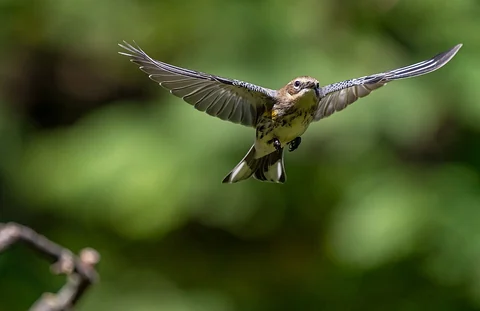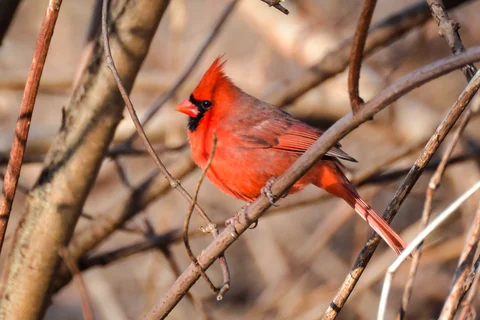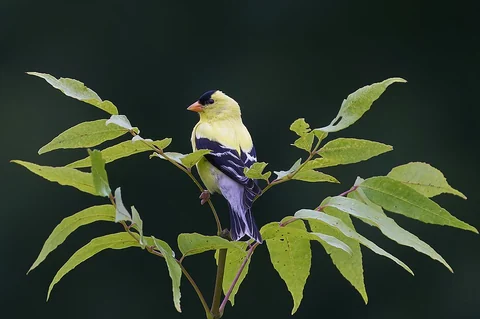
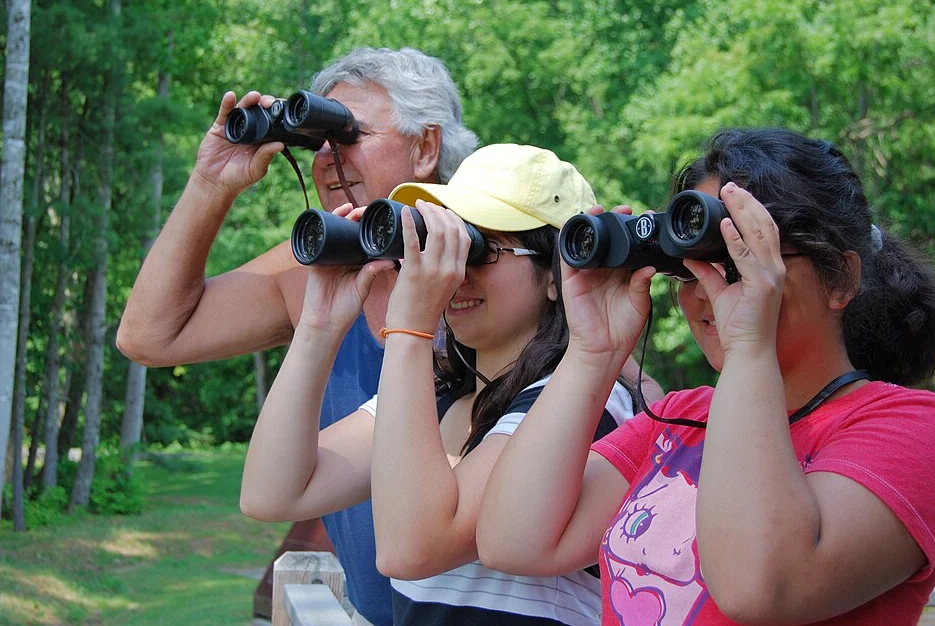
Photo: vastateparksstaff · Birdwatching with grandpa Claytor Lake State Park Virginia (16589750059).jpg · CC BY 2.0. Cropped, gently adjusted, and resized for this guide.
The short answer
Record date, place, effort, birds, behavior, and uncertainty in a format you will use. Keep visit counts separate from individual birds, and follow project-specific rules when submitting data.
A useful bird journal records what happened
A backyard bird journal does not need beautiful drawings, a long species list, or a complicated app. It needs a few consistent details that help you remember what you observed and how you observed it. Date, time, place, duration, birds, behavior, and uncertainty are enough for a strong beginning. The value comes from making records you can compare and understand later.
Choose one purpose for the first month: learning identification, noticing seasonal patterns, evaluating a feeder change, or simply paying closer attention. You can combine purposes later, but a clear start keeps the notebook manageable. This guide provides a practical page structure, counting habits, observation exercises, and a way to separate a personal journal from a formal citizen-science checklist. The goal is a record that sharpens your attention without making every visit to the window feel like an administrative task.
Choose a format that stays within reach
Paper works well if you enjoy quick notes and sketches. A simple digital document or spreadsheet can make searching and sorting easier. A birding app may help with structured records, but it does not automatically replace descriptive notes about behavior or uncertainty. Pick the format you are likely to open during an ordinary morning watch, not the one with the longest feature list.
Keep the notebook, pen, or device near your usual viewing position. If using a phone, decide how to avoid switching into unrelated notifications while watching. A small paper scratch sheet can capture details for later entry into a digital record. Do not design a complex database before learning which information you actually use. Start with a repeatable page and revise it after several sessions. The best format is one that preserves the observation with little friction and remains readable a month later.
Define the observation area
Write down what your backyard record includes. Is it the feeder and adjacent shrubs, the whole property visible from one window, or birds seen and heard during a walk around the garden? A simple sketch can mark the boundary and major features. This makes later comparisons clearer, especially if you change viewing positions or begin recording birds beyond the fence.
For a personal journal, you can choose whatever boundary serves your interest, provided you describe it. A formal reporting platform may have its own location and protocol rules, which you should follow separately. Do not combine an hour at the kitchen window with a trip to a nearby park and label the whole record as one backyard watch. Keeping locations distinct helps you understand which habitat a bird used and prevents an expanding observation area from looking like a sudden increase in yard diversity.
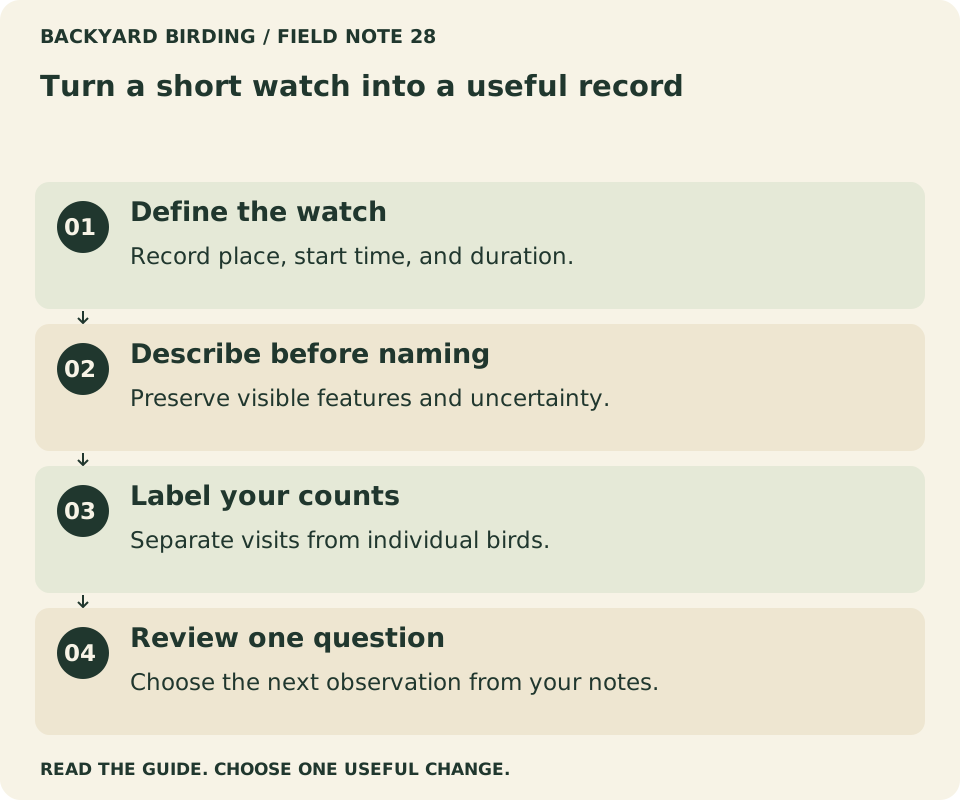
Your visual action map

Read the visual as text
- Define the watch. Record place, start time, and duration.
- Describe before naming. Preserve visible features and uncertainty.
- Label your counts. Separate visits from individual birds.
- Review one question. Choose the next observation from your notes.
Record effort before interpreting the result
A five-minute glance and a two-hour watch do not offer the same opportunity to find birds. Record start time and duration, even approximately for a casual personal session. Note whether you watched continuously or were repeatedly interrupted. This context helps explain why a quiet weekday record may contain fewer species than a long weekend session.
If your purpose is to compare activity, choose some watches with similar duration and time of day. You do not need to turn the yard into a rigid experiment. A few comparable sessions simply make the comparison more meaningful. Keep incidental sightings too, but label them as such. Seeing an unusual bird while carrying groceries is interesting; it should not be treated as equivalent to a deliberate complete survey. Effort information gives the observation a frame and prevents a species total from becoming a misleading score.
Use a simple page template
Start with the following fields and remove anything you consistently find unhelpful. Leave enough space for a short narrative, because the most interesting detail may not fit a checkbox. A template should support attention rather than dictate what counts as worth noticing.
| Field | What to record | Example format |
|---|---|---|
| Date and start | When the watch began | Local date and time |
| Duration and method | Continuous watch, casual glance, or walk | Fifteen minutes from the kitchen |
| Place and conditions | Viewing area, weather, visibility | Backyard; light rain; glass glare |
| Birds and count notes | Identification and counting method | Two cardinals seen together |
| Behavior | What the bird actually did | Took a seed to the shrub |
| Questions | What remains uncertain | Bill view too brief for identification |
The example entries illustrate a method; they are not observations from our own field testing. Keep the same basic structure long enough to learn whether it works before adding more fields.
Describe the bird before forcing a name
For an unfamiliar visitor, write shape, size context, color pattern, bill, movement, and location. You do not need every category, only the features you genuinely saw. “Small bird with a pale belly, dark cap, and short bill” is more useful than a confident name chosen from a vague impression. Include what you could not see when that limits the identification.
Consult a regional guide after preserving the first description. Reference images can influence memory, so writing first helps keep observation and interpretation separate. Save a photograph if available, but do not assume it contains detail that you did not actually capture. If you later revise the identification, keep a note explaining why. Our Downy versus Hairy guide demonstrates how a specific missing angle can matter. A journal becomes more useful when it records the route to an answer, not only the final label.
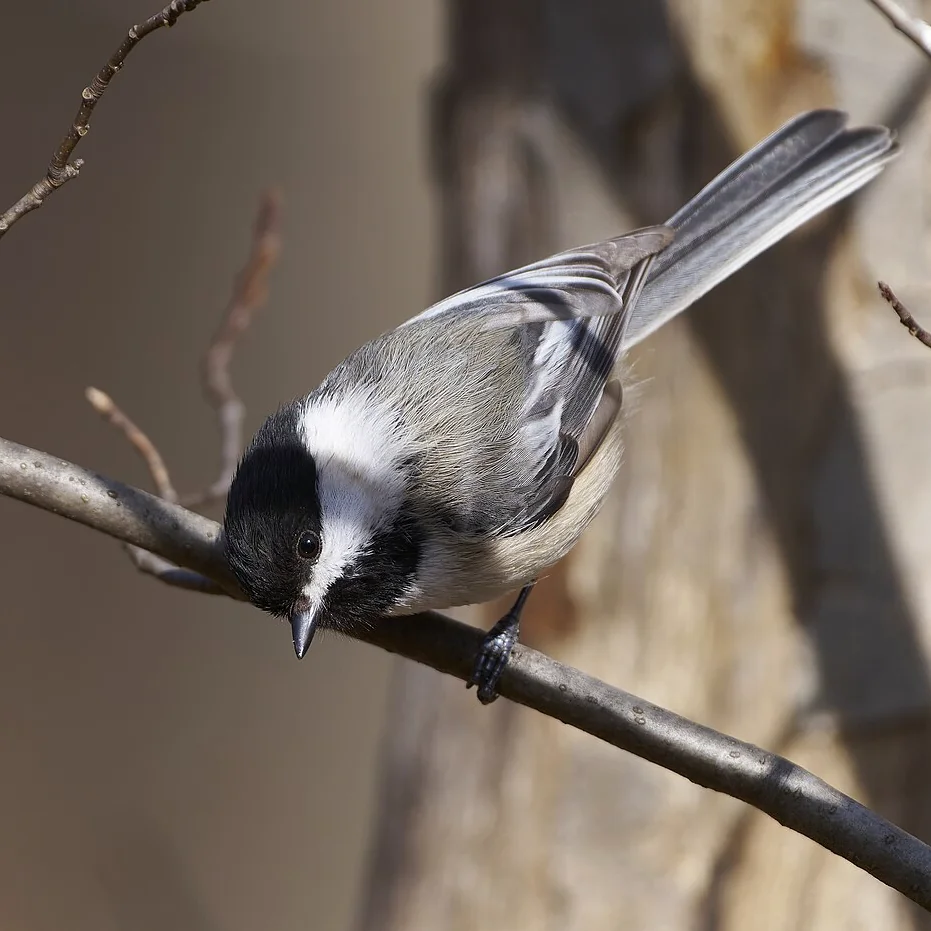
Photo: Paul Danese · 202403141019 black capped chickadee earle park PD203897.jpg · CC BY-SA 4.0. Cropped, gently adjusted, and resized for this guide.
“A useful record includes how you looked, not only what you found.”
Backyard Birding — editorial takeaway
Count individuals without simply adding every visit
A feeder bird may arrive, leave, and return several times. Adding every appearance can turn one individual into an inflated count. For a personal feeder watch, recording the highest number seen together is a clear conservative measure if you label it that way. You can also note repeated visits separately when activity, rather than individual abundance, is your question.
Formal projects differ. Project FeederWatch uses its own count instructions, while eBird asks for counts or best estimates under its protocols. Do not automatically transfer one project's method to another. Read the current guidance for the project you are using and keep the personal notebook detailed enough to explain your approach. “Three seen simultaneously; many repeated trips” tells a future reader much more than an unexplained total of twenty. Counting is most useful when the number and the method remain connected.
Distinguish a visit count from a bird count
If you want to understand feeder activity, you may deliberately count arrivals during a fixed period. That can be interesting, but label the result as visits, not birds. Define what counts as a new visit before starting: for example, a bird leaving the feeding surface and later returning. Keep the definition consistent within the comparison and acknowledge that individual birds may contribute several visits.
A camera can help review events, but its detections may miss quiet arrivals or split one stay into several clips. Do not treat an app's event total as an independently verified population count. Review a sample to understand what the system records. Our smart feeder guide explains the difference between camera functions and bird-care tasks. A journal can hold both visit activity and individual-count observations, provided you do not merge them into a single ambiguous number.
Write behavior as an action, then add a question
Use verbs that describe what you saw: perched, pecked, carried, bathed, chased, waited, or moved behind the trunk. Record the sequence when possible. “Jay arrived; finch moved to the shrub; finch returned two minutes later” is more informative than “jay bullied everyone.” The first note preserves the interaction; the second supplies a conclusion without showing the evidence.
You can still write interpretations and questions in a separate field. Ask whether the same sequence happens in other watches or whether a feeder design changes access. This keeps curiosity alive without presenting every hypothesis as a fact. It also makes the journal more enjoyable to reread, because the details remain visible. A strong natural-history note often comes from a small ordinary action observed carefully, not from finding a rare species or assigning a dramatic motive to a familiar one.
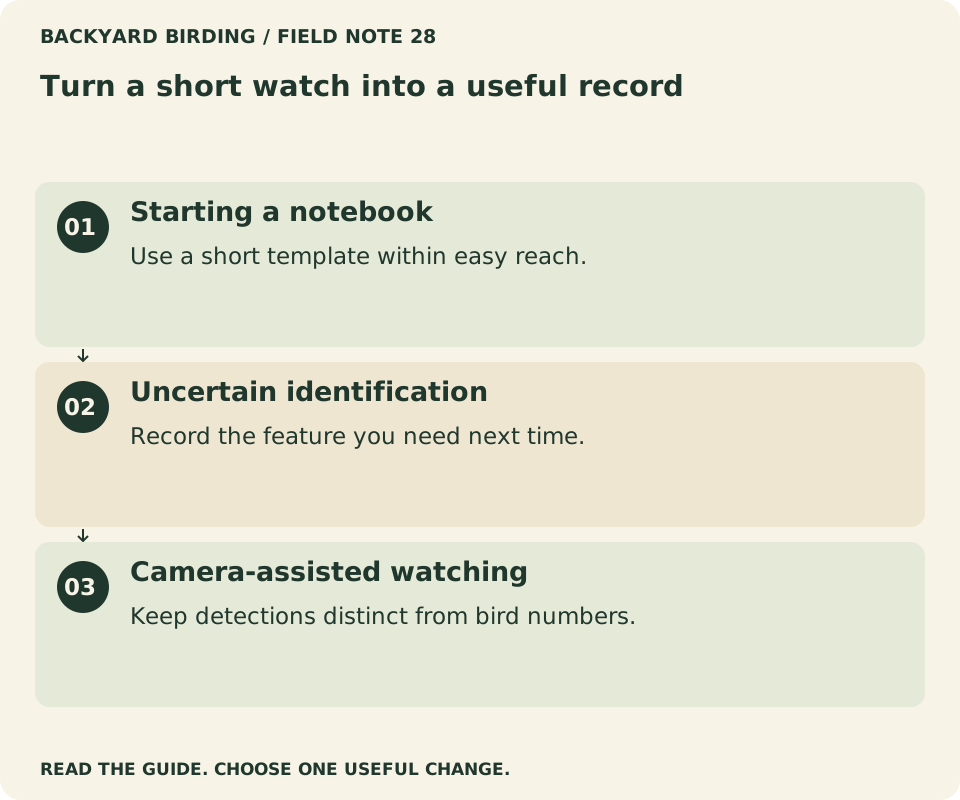
Find your situation

Read the visual as text
- Starting a notebook. Use a short template within easy reach.
- Uncertain identification. Record the feature you need next time.
- Camera-assisted watching. Keep detections distinct from bird numbers.
Add sketches that solve a specific problem
You do not need artistic skill to draw a useful bird note. A rough outline with arrows to a wing patch, bill shape, or tail marking can preserve relationships that words alone make awkward. Label the drawing with what was certain and what was only a quick impression. If you never saw the tail, leave it incomplete rather than filling in a generic one from memory.
A yard sketch can be equally useful. Mark a departure route, a favored perch, or the place where a reflection obstructed your view. These drawings help you decide how to watch next time. Keep them alongside the date and session notes so they retain context. The purpose is not to create a polished illustration for publication. It is to record the feature or spatial relationship that answered a question, or that you need to examine more carefully during the next visit.
Link photographs and recordings to the session
Use file names or a folder structure that preserves the date and observation context. Keep original files alongside any cropped or adjusted copies. A photograph separated from its location and time can become difficult to interpret, especially when regional variation or season matters. A short note explaining which feature the image shows makes it easier to find later.
For sound recordings, include the circumstances and any visible birds. Background calls can complicate identification, and an automated suggestion is not proof that the named species was present. Avoid editing that removes the context needed to assess a claim. If sharing a record for help, provide the original evidence where practical and state your uncertainty. Respect privacy when images include people, private spaces, or location details. A journal can be detailed without making every piece of personal information public.
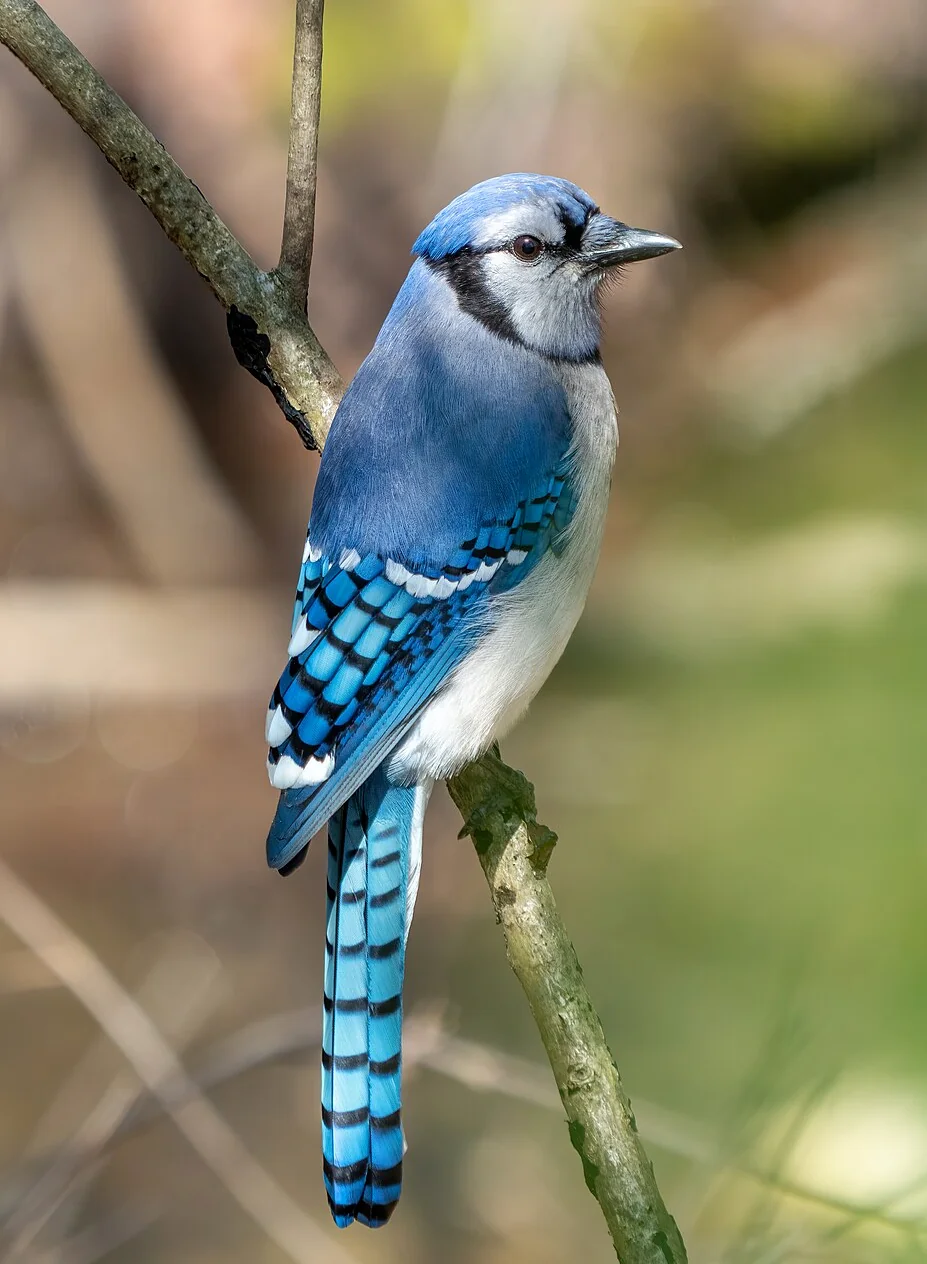
Photo: Rhododendrites · Blue jay in PP (30960).jpg · CC BY-SA 4.0. Cropped, gently adjusted, and resized for this guide.
Compare changes without claiming an experiment proved them
Suppose you move a feeder and see more visits the next day. The change may be relevant, but weather, natural food, time of day, and chance also changed or remained unmeasured. Record the observation and the possible explanation separately. A backyard trial can guide a practical decision without establishing a general rule for every yard.
When feasible, change one feature at a time and compare similar watch periods. Note maintenance conditions as well as birds: food flow, freshness, ground waste, and disturbance. An urgent safety problem should be corrected immediately rather than left in place for a cleaner comparison. The journal's job is to help you learn responsibly, not to turn routine feeding into a formal research claim. A useful conclusion might be “this position is easier to clean and received visits during three watches,” which is specific and defensible.
Understand what a complete checklist means
In eBird, a complete checklist reports all birds you were able to identify by sight or sound during a birding session, following the platform's guidance. It does not mean you found every bird physically present in the area. A deliberate stationary watch and an incidental sighting use different protocols, so choose the one that describes what you actually did.
Read the current eBird help pages before submitting, including location, effort, counting, and uncertain-identification guidance. Keep your personal journal as rich or informal as you like, but do not assume every diary entry can be uploaded unchanged as a complete checklist. A note about one exciting woodpecker may omit common birds you were not recording. That is fine as a personal observation; it just needs the appropriate treatment when contributing structured data. Honest method information is part of making a record useful beyond your own notebook.
Review the month with three questions
At the end of the month, ask what you can identify more confidently, what pattern you noticed, and what you still want to investigate. Use the actual entries rather than memory alone. Perhaps you learned a familiar call, discovered that water use occurs outside your usual watch time, or realized that a feeder's lower ports were blocked during several quiet sessions.
Avoid ranking the month solely by species total. Effort and conditions may differ, and common birds can provide excellent learning. Choose one next-month question that follows from the record. For example, compare a few morning and afternoon watches of equal duration, or practice one identification feature. A monthly review turns the journal from a storage place into a tool for directing attention. Keep it short enough that you will do it again, rather than creating a report that takes longer than the observations themselves.
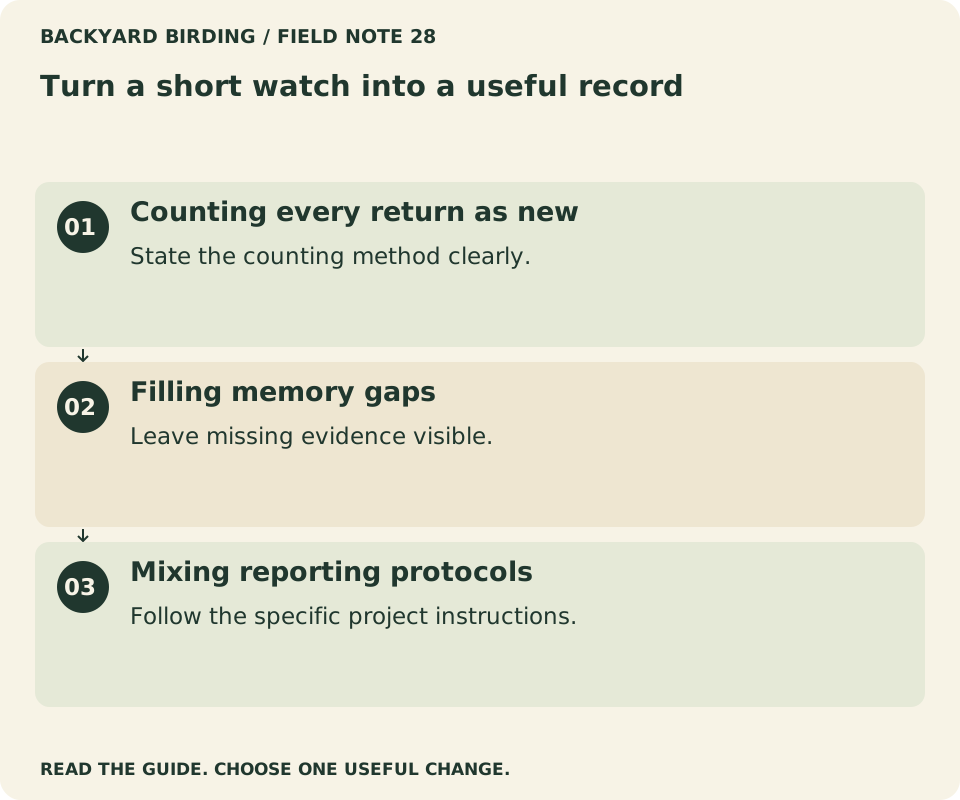
Small mistakes. Better moves.

Read the visual as text
- Counting every return as new. State the counting method clearly.
- Filling memory gaps. Leave missing evidence visible.
- Mixing reporting protocols. Follow the specific project instructions.
Keep the habit small during busy weeks
Use a minimum entry when time is limited: date, duration, one or two observations, and a question. You can return to fuller notes later. A brief accurate record is better than abandoning the habit because the ideal page feels too demanding. Do not fill gaps from vague memory simply to make the calendar look complete.
If you miss a week, resume with the next observation and note the gap. It does not invalidate the earlier pages. Bird journals are most durable when they fit ordinary life, including interruptions and changing interests. Keep your template flexible enough to support a five-minute watch and a longer weekend session without pretending those efforts are equivalent. Over time, a modest collection of dated, honest notes will reveal far more than a beautifully designed system that you rarely open.
Your first seven entries
For the first entry, sketch the viewing area and choose your basic fields. In the next few sessions, record familiar birds and practice describing one action precisely. Add an uncertain identification without forcing a conclusion, then use a reference guide to identify which feature you need next time. Try one simple sketch and link one photograph to its session if you have a suitable image.
On the seventh entry, review what was easy to maintain and what felt unnecessary. Remove a field if it distracted you, or leave more space for a question you keep forgetting to write. Keep the counting method explicit. Date the revised template so you can recognize the change when looking back, and place the notebook where you will see it before the next watch.
For a camera-equipped setup, read How Accurate Is AI Bird Identification? Review Your Feeder Camera Labels.
For a related next step, read House Finch vs. Purple Finch: Field Marks That Set Them Apart.
Watch it. Then try it.
Review the steps and common mistakes in two short, silent animations. Each has a complete text transcript below.
Your four-step action map
Read the complete video transcript
Turn a short watch into a useful record.
- Define the watch. Record place, start time, and duration.
- Describe before naming. Preserve visible features and uncertainty.
- Label your counts. Separate visits from individual birds.
- Review one question. Choose the next observation from your notes.
Try the steps, then note any problem that still needs attention.
Three mistakes to avoid
Read the complete video transcript
Turn a short watch into a useful record.
- Counting every return as new. State the counting method clearly.
- Filling memory gaps. Leave missing evidence visible.
- Mixing reporting protocols. Follow the specific project instructions.
Try the steps, then note any problem that still needs attention.
Both animations use this real photograph by vastateparksstaff. Photo source · CC BY 2.0. The photo is adapted into original educational animations, not recordings of a field test.
At a glance
| Before your next step | Your practical check |
|---|---|
| Starting a notebook | Use a short template within easy reach. |
| Uncertain identification | Record the feature you need next time. |
| Camera-assisted watching | Keep detections distinct from bird numbers. |
Sources & evidence
- eBird: Observation protocols
- eBird: How to count birds
- eBird: Frequently asked questions
- Project FeederWatch: Why count the most birds seen at once?
Our standard: real evidence before ratings. Corrections follow our editorial process.
Our verdict & your next actions
Choose the row that describes your setup, then follow the suggested check or adjustment.
| Your situation | Our verdict | Your next action |
|---|---|---|
| Starting a notebook | Use a short template within easy reach. | Copy the observation fields. |
| Uncertain identification | Record the feature you need next time. | Practice the woodpecker comparison. |
| Camera-assisted watching | Keep detections distinct from bird numbers. | Review smart feeder limits. |
Your pocket field checklist
Tick off the steps as you go.
0 of 4 steps completed
Keep building your knowledge in birds, or search the full backyard library.